[EDITOR NOTE — DELETE BEFORE PUBLISHING] TO DO: comment sought from Environment Minister Matthew Swinbourn's office (why the order ends in 2027, the expected timing of the EPA report, whether monitor reports will be published routinely); Alcoa; Water Corporation (the 2 km buffer); a conservation group, for example the Conservation Council of WA.
Alcoa can keep clearing and mining bauxite in the Darling Range until the end of 2027 under a new exemption order the state government published on Thursday. The order replaces the open-ended arrangement that has kept the company's Huntly and Willowdale mines running since late 2023.
Normally a project that the Environmental Protection Authority (EPA) is assessing cannot go ahead, and other government agencies cannot approve it, until the assessment is finished. The order switches off those two rules (sections 41 and 41A of the Environmental Protection Act 1986) for Alcoa's 2023–2027 mining proposal. The EPA is still assessing that proposal (assessment 2385).
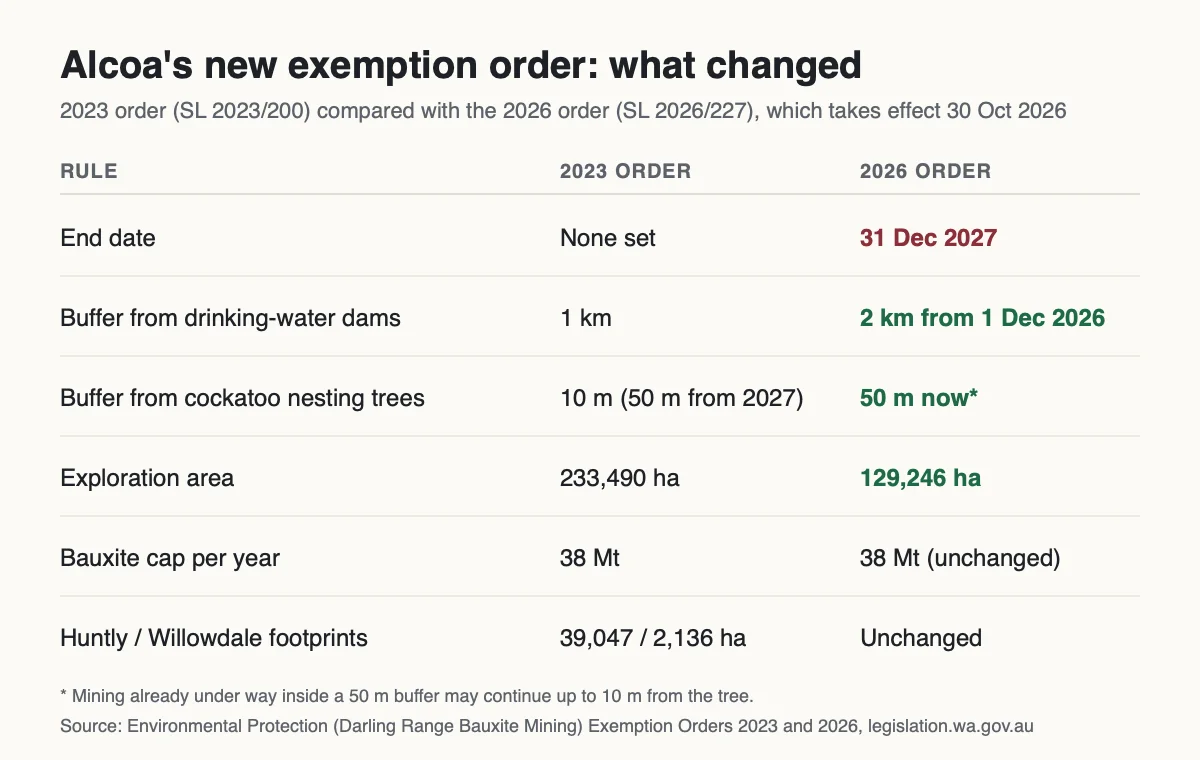
The 2023 order it replaces set no end date. The new one expires at the end of 31 December 2027.
What changes
The order has the same exemption structure as the 2023 version, with three main differences.
Wider buffer around drinking-water dams. Alcoa may not mine within 1 km of the full-supply edge of any dam, weir or reservoir used for drinking water. From Tuesday 1 December the buffer doubles to 2 km. Mining also stays banned in the Serpentine Pipehead Dam catchment.
Black cockatoo buffers brought in now. Under the 2023 order Alcoa had to stay 10 m from black cockatoo nesting trees, and that distance was due to rise to 50 m from 1 January 2027. The new order applies the 50 m buffer immediately, to nesting trees and to very large jarrah and marri trees at Huntly. There is one concession: where Alcoa is already mining inside a 50 m buffer, it can finish the job, as long as it stays at least 10 m from the tree.
Smaller exploration area. The area where Alcoa can drill exploration holes falls from 233,490 ha to 129,246 ha.
What stays the same
Production limits. The caps are unchanged: 38 million tonnes (wet) of bauxite a year and 105,000 exploration drill holes. For the rest of 2026, they are reduced by whatever Alcoa has already mined and drilled this year.
Mining footprints. These are also unchanged:
Huntly: 39,047 ha, of which no more than 3,538 ha can be native vegetation clearing.
Willowdale: 2,136 ha, with no native vegetation to be disturbed.
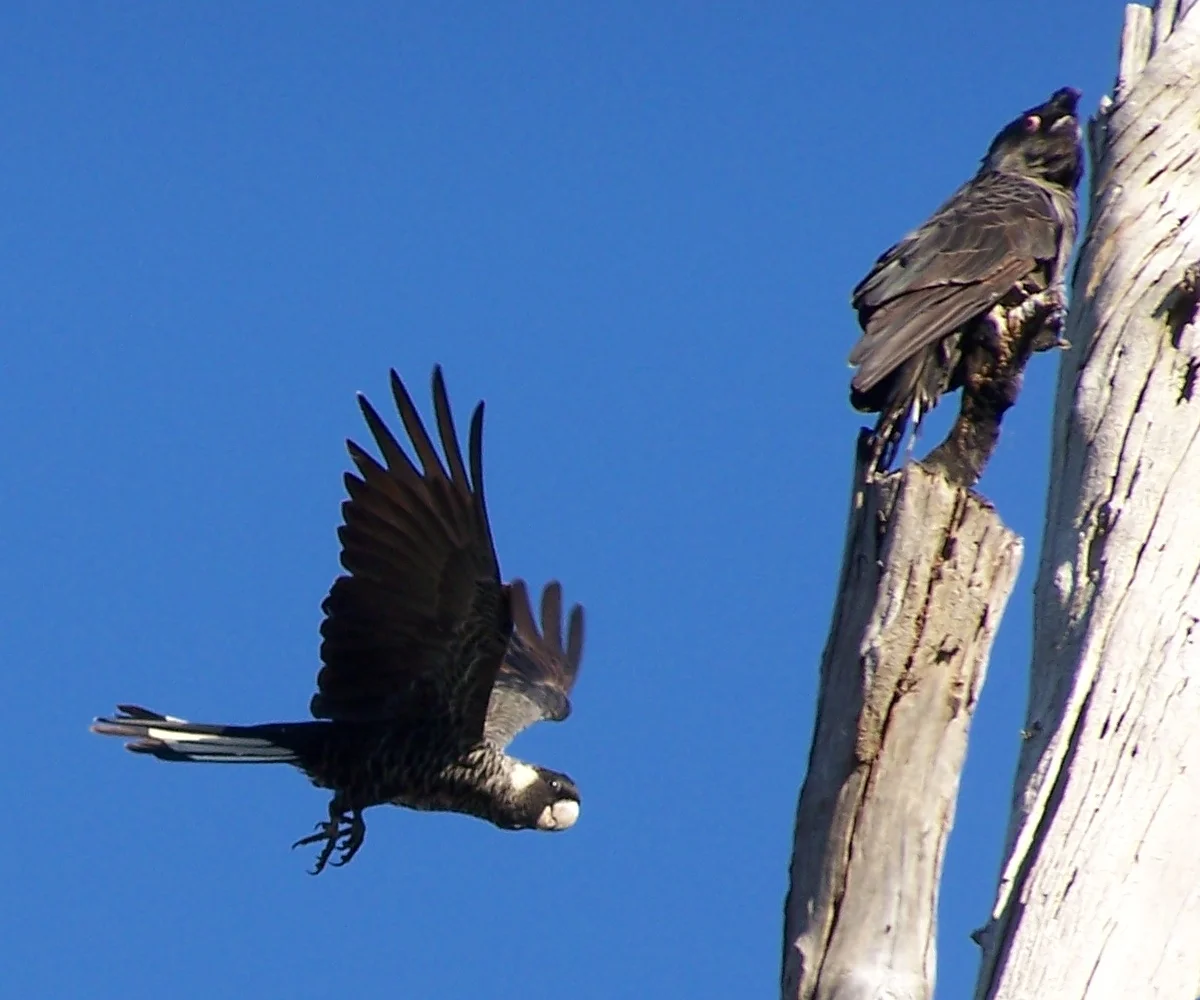
Alcoa must now keep mining 50 m from black cockatoo nesting trees. The order requires an independent fauna specialist to survey each area before mining. Pictured: a Carnaby's black cockatoo. Photo: Gnangarra, CC BY 2.5 AU, via Wikimedia Commons.
Oversight
Drainage incidents. Alcoa must report muddy or contaminated run-off from its mine areas to the Department of Water and Environmental Regulation within 24 hours. It must report its investigation of the incident within 21 days.
Compliance monitor. An independent monitor, approved by the minister, must inspect the operations at least weekly. Both Alcoa and the monitor must report to the department every month.
What is published. Alcoa must publish its own monthly reports and its mapping data. The monitor's reports are made public only if the minister orders it, which was also the rule under the 2023 order.
Rehabilitation. The order sets no general deadline for rehabilitating mined land. Its stabilisation deadlines apply only to work done inside the restricted buffer zones.
Graphic: Everything Perth. Source: the 2023 and 2026 exemption orders, legislation.wa.gov.au.
Background
The EPA has been assessing Alcoa's mining plans since third-party referrals in 2023. The government first made an exemption order on 14 December 2023, which let the mines keep operating in the meantime. The Department of Water and Environmental Regulation's Environment WAtch page describes the transitional arrangements as including:
an independent compliance monitor, Ramboll Australia;
a $100 million deed of security, payable if Alcoa's operations affect Perth's drinking water supply.
In February, Alcoa agreed to a $55 million penalty through federal enforceable undertakings. The penalty related to clearing habitat of nationally protected species in the northern jarrah forest without federal approval between 2019 and 2025. Alcoa acknowledged destroying the habitat but denied breaking the law, Resources Review reported.
In July, Mr Swinbourn said the government was "updating the regulatory arrangements that apply to Alcoa's operations". Thursday's order replaces the 2023 version.
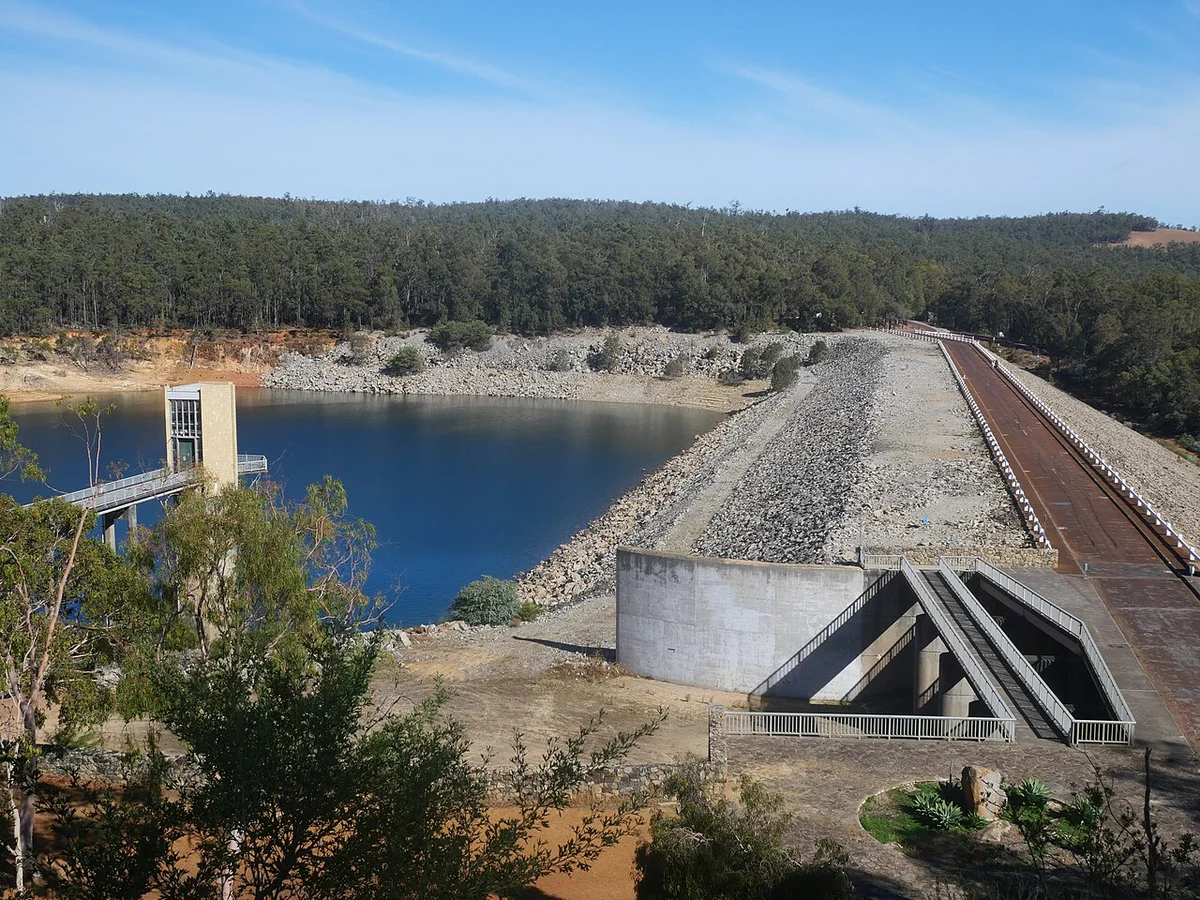
Main photo: Serpentine Dam. Under the new order, Alcoa must keep its mining 2 km from drinking-water reservoirs such as this one from 1 December. Photo: Arthur Taksin, CC BY 4.0, via Wikimedia Commons.




Comments