Summer is coming, and one Perth Reddit user wants to settle an argument. If Perth had five or more 40-degree days in a row and everyone ran their air conditioner around the clock, would the grid cope, or would we get rolling blackouts?
The r/perth thread drew nearly 60 replies on Thursday. Most of them said the system would probably hold, with some important caveats.
What the market operator says
Perth's main grid is the South West Interconnected System (SWIS). The Australian Energy Market Operator (AEMO) forecasts supply and demand on it every year. Its 2026 Electricity Statement of Opportunities found there is enough capacity to meet demand until 2028-29, and that reliability targets should be met for the next three years.
"Consumer investment in rooftop solar and household batteries is playing an increasingly critical role in the power system." - Kirsten Rose, AEMO
AEMO expects more than 1,000MW of new generation and storage by 2030-31. It also expects demand on the SWIS to rise more than 50 per cent over the next decade, as the population grows and more homes and businesses switch to electricity. More investment will be needed later in the decade as old coal and gas plants close.
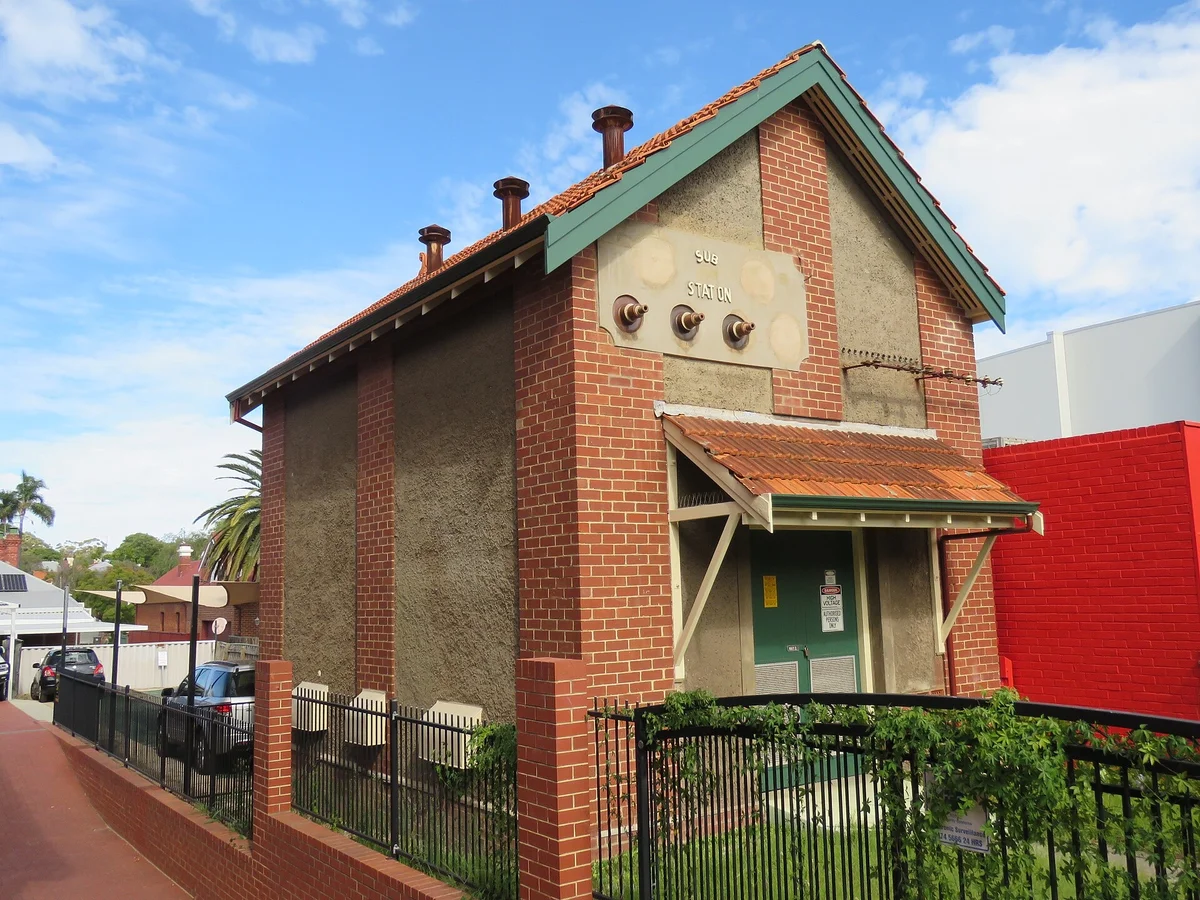
Photo: Calistemon via Wikimedia Commons (CC BY-SA 4.0). Electricity substation, Hay Street, 2021.
It's usually the poles, not the power
The most common view in the thread was that Perth's blackouts are rarely caused by a lack of supply. Users said they are far more often local faults, such as a transformer overloaded on a hot evening, a substation failing, or storm and fire damage.
Several people pointed to pole-top fires. When light drizzle falls after a long dry spell, it can turn dust on the insulators into a conductive sludge. One user said they lost power for a long time in the February 2025 pole-top fires because of how many places failed at once.
Older Perth residents remembered "load shedding" in the 1990s and early 2000s. Users said those cuts came from industrial action, storms and the Varanus Island gas explosion, not just hot weather.
Solar, batteries and the evening peak
Commenters said rooftop solar changes the picture, because the hottest part of the day is also when panels produce the most. The risky time is just after sunset. Solar output drops off just as people get home and turn on the air con, and that is where home and grid batteries now help.
Other users said big industrial users can be paid to cut their usage on very hot days, which gives the system some breathing room. Not everyone was so relaxed. A few people from newer suburbs, including Ellenbrook, said their local network had struggled in past summers.
On Thursday afternoon, Perth Reddit users also reported a power outage at Perth Airport's T3 and T4. Everything Perth has not confirmed the cause, and it is not known to be linked to grid demand.
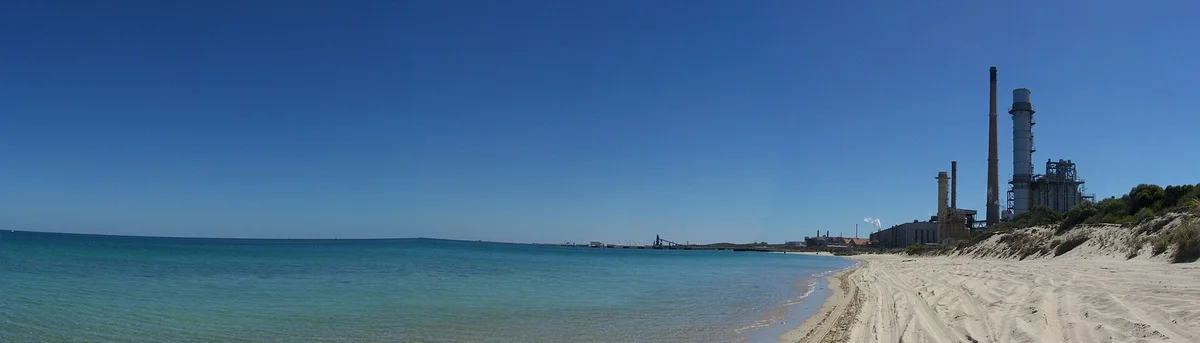
Photo: Ché Lydia Xyang via Wikimedia Commons (CC BY-SA 3.0). File photo of Kwinana Power Station.
The short answer
A long heatwave would strain the system, and local outages are likely wherever old equipment is pushed hard. But AEMO's outlook and the growth of solar and batteries suggest rolling, grid-wide blackouts are unlikely, as long as no big power stations or transmission lines fail at the same time. Report outages to Western Power on 13 13 51.
Sources: AEMO 2026 WEM Electricity Statement of Opportunities media release, r/perth.
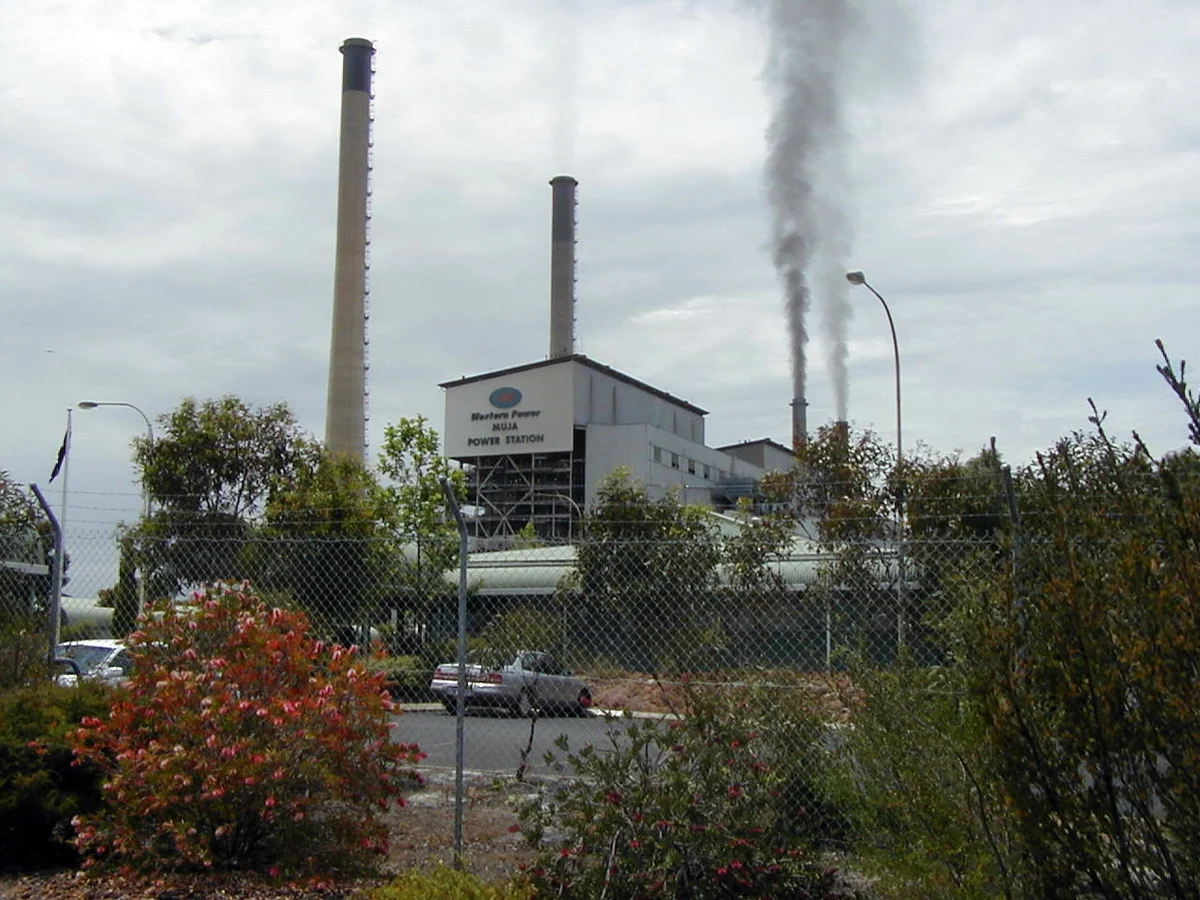
Photo (top): Nachoman-au via Wikimedia Commons (CC BY-SA 3.0). File photo of Muja Power Station, Collie.





Comments (1)
okokok
okokok