A drone buzzing over your backyard can feel like an invasion of privacy, and in most Perth suburbs it is also likely to break the national drone safety rules.
One family in Perth's northern suburbs found that out this week. They had been hearing a strange buzzing for days before spotting a drone weaving up and down their street and over neighbours' backyards. When they raised it with the neighbour whose teenage son was flying it, they say the response was rude and the flying didn't stop.
So what are the rules?
Who makes the rules
Drones are aircraft, so the sky above your house is regulated by the federal Civil Aviation Safety Authority (CASA), not your council or the state government.
You don't need a licence or registration to fly a drone for fun, and there's no age limit. But every recreational flyer has to follow CASA's drone safety rules.
The key rules for flying for fun
- Don't fly higher than 120 metres above the ground.
- Keep at least 30 metres away from other people, and never fly over anyone.
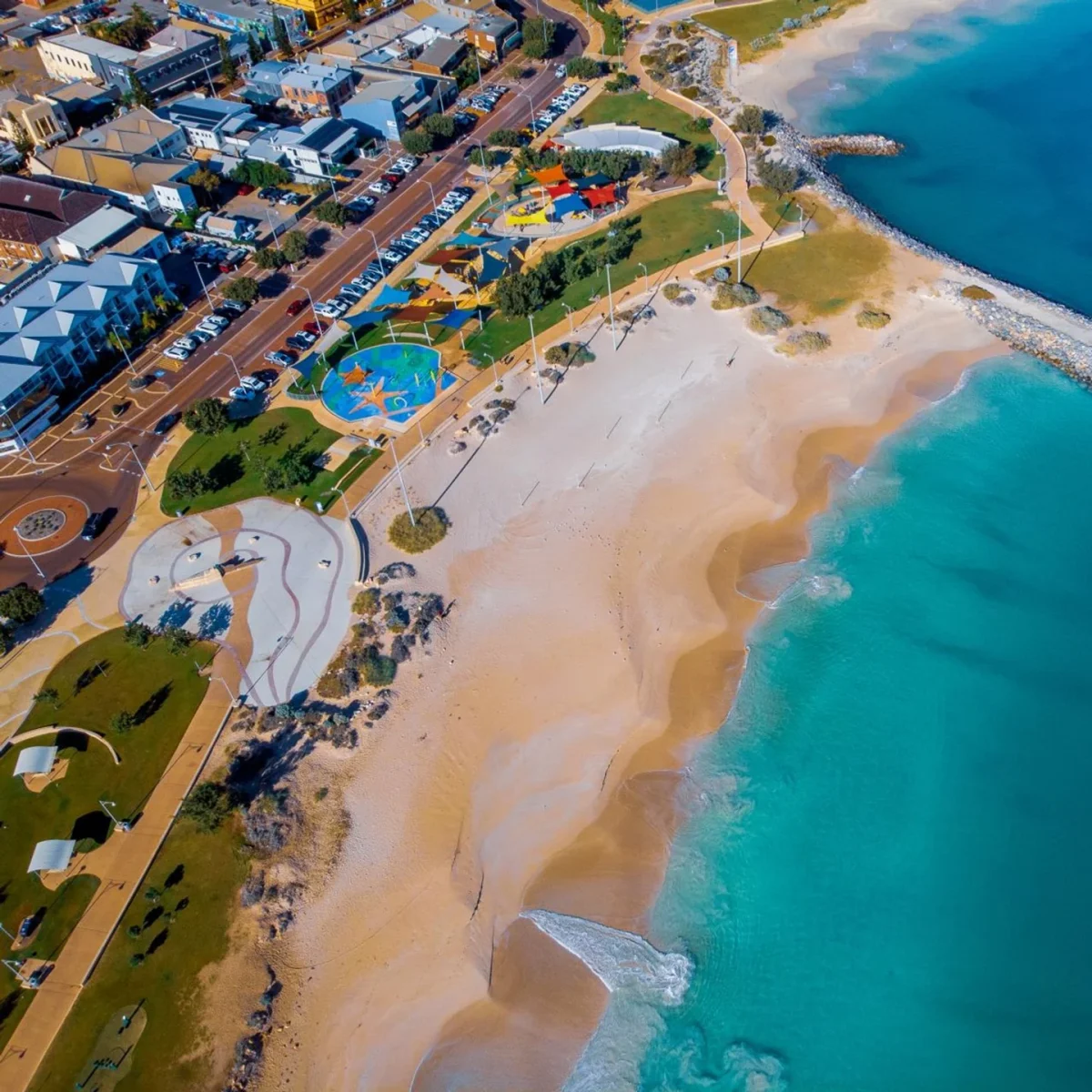
- Don't fly in a populous area. CASA says this includes beaches, parks, events and sports ovals during games.
- Keep the drone within visual line of sight: you must be able to see it with your own eyes, not through a screen or goggles.
- Only fly during the day, and one drone at a time.
- Don't fly in a way that creates a hazard to people or property, and respect other people's privacy.
- Drones over 250 grams must stay more than 5.5 kilometres from a controlled airport such as Perth Airport.
The 30-metre rule is the one that trips up most suburban flyers. Several Perth drone pilots pointed out that it is hard to fly over a typical residential street without coming within 30 metres of someone in a garden, pool or driveway. Flying out of sight, behind houses and over backyards, also breaks the line-of-sight rule.
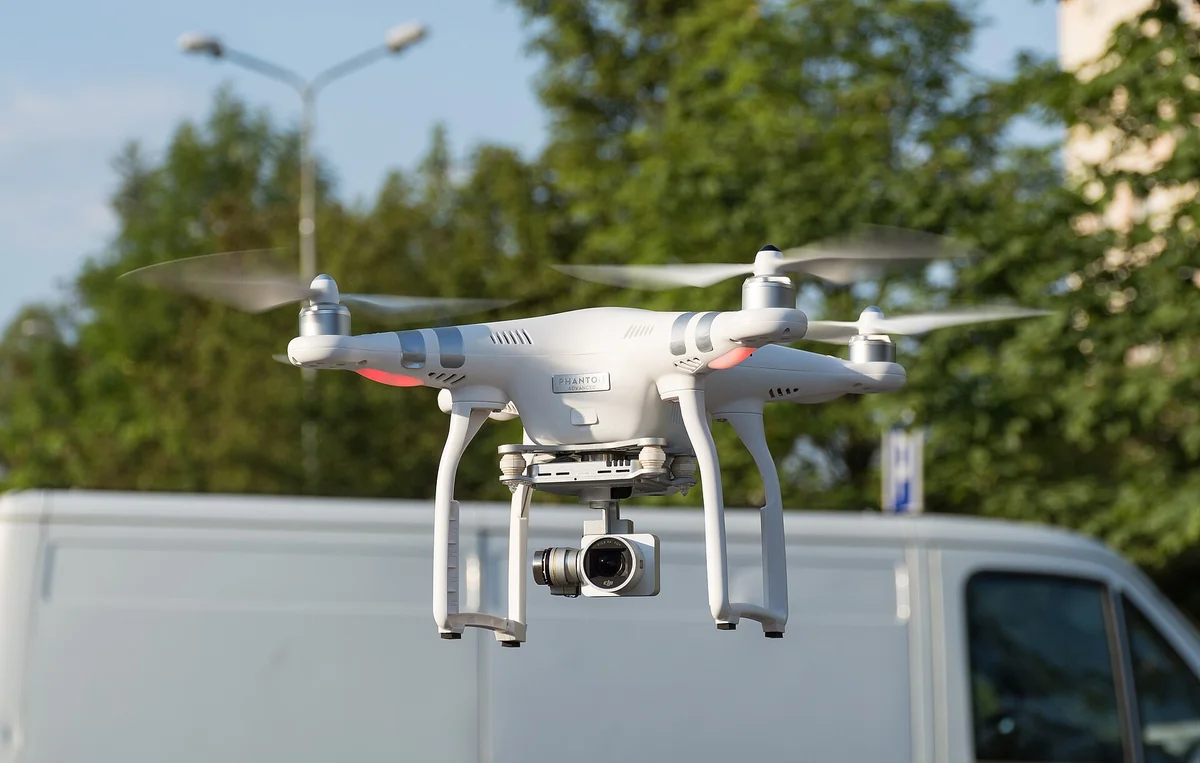
Photo: Jacek Halicki via Wikimedia Commons (CC BY-SA 4.0). File photo.
"If you actually follow the rules you're realistically limited to large open areas with no people around." - Perth local
Commercial operators, such as real estate photographers, face extra rules and must register their drones and hold a licence or accreditation.
What you can do
Locals who have dealt with nuisance drones had plenty of advice, much of it practical:
- Talk to the pilot first. A teenager with a new toy may simply not know the rules. Some locals suggested a friendly word directly with the young flyer, pointing them to the CASA rules.
- Keep a record. Note dates and times and take photos or video of the drone, and of where it takes off and lands if you can.
- Report it. If it keeps happening, you can report unsafe flying to CASA. CASA says fines of up to $1820 can be issued per offence, and up to $18,200 if a matter goes to court. CASA will need good evidence of who is flying it.
- Privacy concerns. If you think someone is filming or photographing you, the Office of the Australian Information Commissioner has information on privacy, and police can be contacted if you believe someone is being harassed or spied on.
- Don't take matters into your own hands. Hoses, air rifles and jammers all came up as jokes, but damaging or interfering with an aircraft can land you in far more trouble than the pilot.
Others suggested patience. As one parent put it, plenty of kids get bored of a new drone within a few weeks. The family in the north say they'll ride it out for now and see if the novelty wears off.
Sources: Civil Aviation Safety Authority; OAIC; comments from Perth locals.
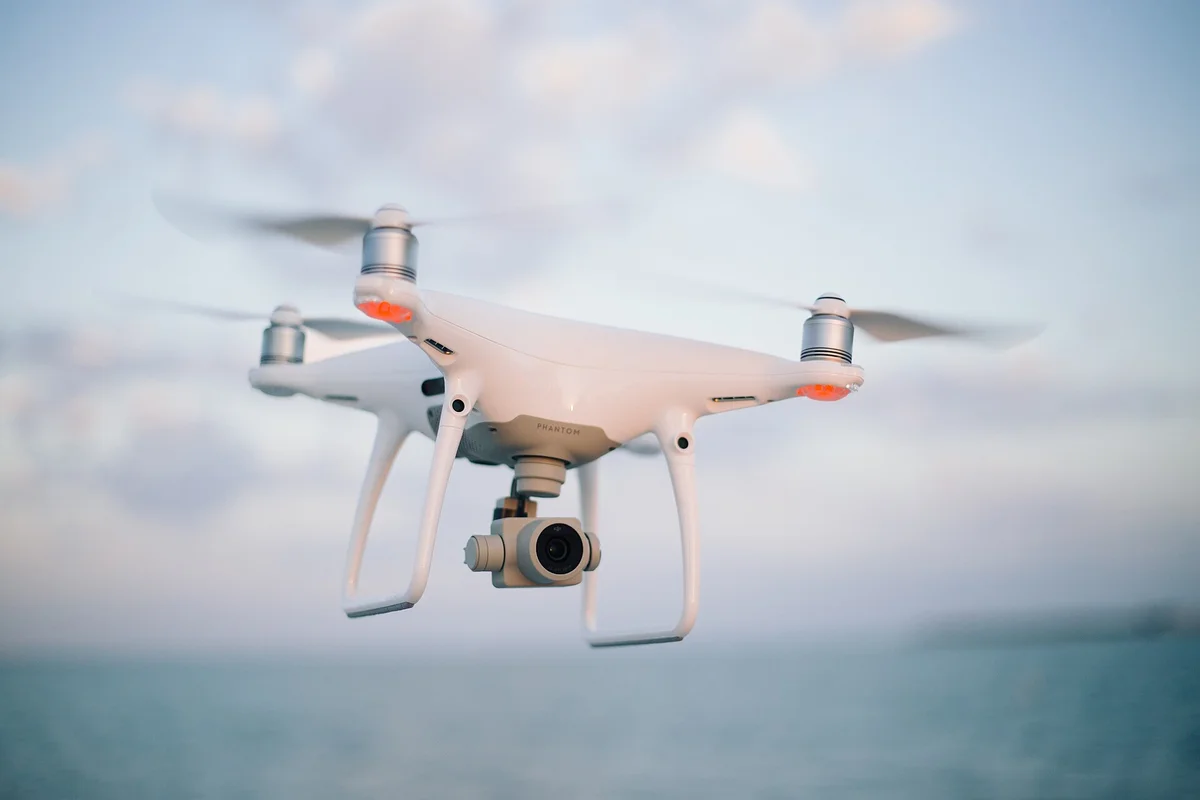
Hero photo: Josh Sorenson via Wikimedia Commons (CC0). File photo.


Comments