

Some clothes are fashion. A few are furniture. The little black dress is the second kind: it has been in the room so long that it is hard to imagine the room without it.
This month it turns 100. In October 1926, American Vogue printed a sketch of a simple, long-sleeved black dress by Coco Chanel. The magazine compared it to the Ford motor car, because it was plain, modern and meant for everybody, and predicted it would become a uniform for women of taste.
Vogue was right, and then some.
Why it was a shock
Before the 1920s, black was mostly what women wore in mourning. A black dress for cocktails or dinner, cut simply enough to move in, was a new idea.
Chanel's version did away with the fuss. No corset, no frills and nothing that needed a maid to fasten. It could be made in good fabric or cheap fabric, and it looked right either way. That was the point of the Ford comparison: it was elegance that did not depend on money.
The dresses everyone remembers
Every generation since has had its own black dress.
In 1961 Audrey Hepburn stood outside a jeweller's window in a black Givenchy gown in Breakfast at Tiffany's, and gave the dress its most famous picture. One of the gowns made for the film sold at auction in London in 2006 for more than £460,000.
In 1994 Diana, Princess of Wales, wore a short, off-the-shoulder black dress by Christina Stambolian to a gallery party in London. It was on front pages around the world the next morning and has been known as the "revenge dress" ever since.

Why it still works
The little black dress has outlasted a hundred years of trends for three plain reasons.
- It goes with everything. Gold, silver, pearls, a red lip, a denim jacket, bare feet. Black is a blank page.
- It suits the occasion, whatever the occasion is. Flats and a blazer for work. Heels and earrings for dinner. The same dress does both.
- It forgives. Black hides a spilled drink, a long day and a hurried iron.
How to wear one in Perth
The only real problem with black here is the weather. A heavy black dress on a 38-degree day is a punishment.
So choose the fabric before you choose the shape. Linen, cotton and silk breathe. Thick polyester does not. A looser cut with bare shoulders or a slip style will get far more wear between November and March than anything fitted and lined.
Then let the extras do the work. In summer that means sandals, gold jewellery and a woven bag. When the Fremantle Doctor comes in and the evening cools, add a jacket and closed shoes and the same dress is ready for dinner.

What to look for when you buy one
- Fit at the shoulders. Almost everything else can be altered. Shoulders cannot.
- A length you will not fidget with. If you are tugging at the hem in the change room, you will be tugging at it all night.
- Fabric that holds its black. Cheap black fades to charcoal after a few washes. Wash it cold and inside out, and keep it out of the sun on the line.
- Pockets. Not traditional. Still worth it.
The next hundred years
Trends come through Perth a season late and leave just as fast. The little black dress has watched all of them go.
If there is one already hanging in your wardrobe, this is the month to take it out. It has earned the birthday.
Photo credits
- Cover: photo by Candace McDaniel via StockSnap (CC0), cropped.
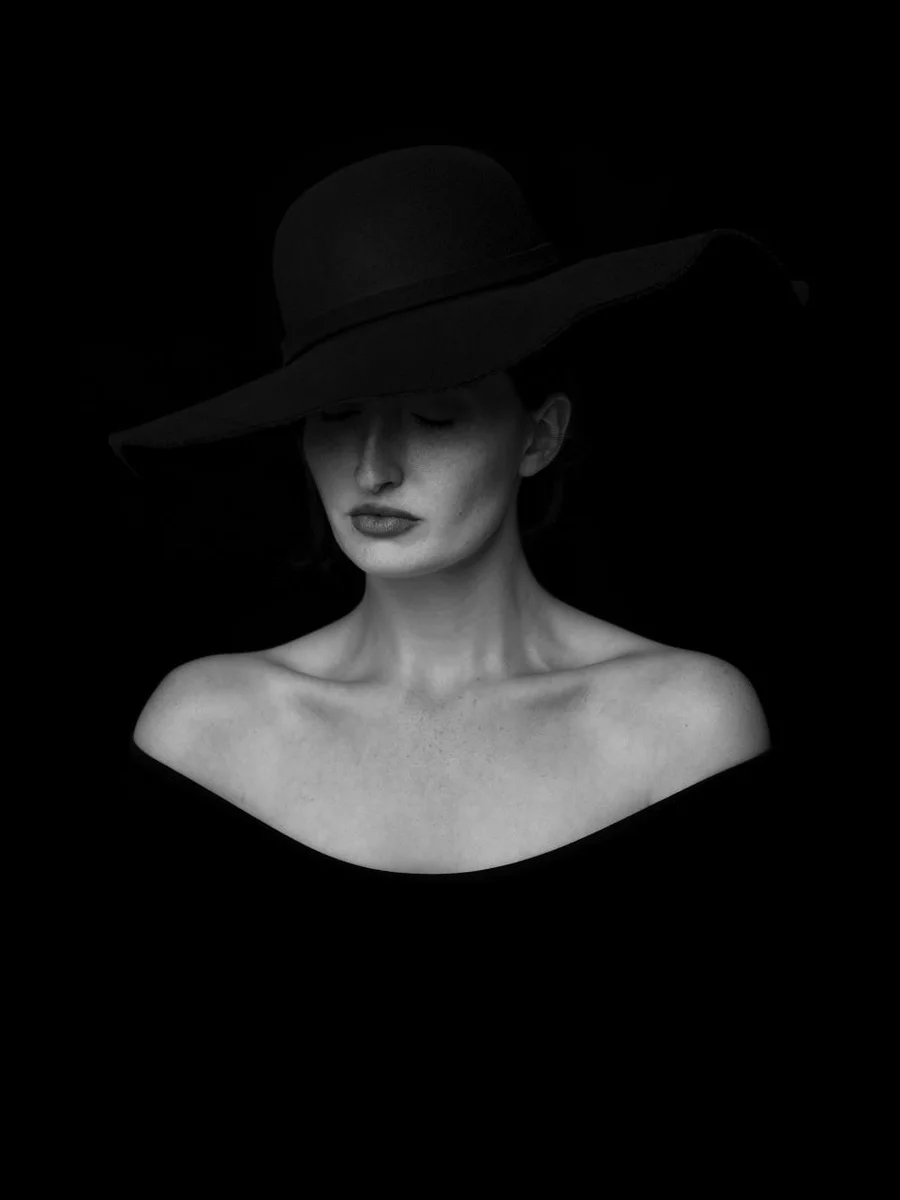
- Black hat portrait: photo by Luke Braswell via StockSnap (CC0), cropped.
- Statement necklace: photo by Candace McDaniel via StockSnap (CC0).
- Black lace: photo by Candace McDaniel via StockSnap (CC0).
Comments