Perth has now had at least three whale carcasses wash up on its metropolitan beaches in about a month, and marine researchers say the run of strandings may be linked to one of the weakest humpback migrations along the Western Australian coast in decades.
The decline, reported by WAtoday on 29 October 2026, comes as each new carcass has forced beach closures and shark warnings just as the weather warms up ahead of summer.
Three carcasses in a month
The first was a 13-metre humpback that washed up at South City Beach on 27 September. According to the ABC, the roughly 31-tonne animal was lifted by a specialist crane and trucked 44 kilometres to the Red Hill landfill on 1 October. As Everything Perth reported at the time, City Beach was closed again on 11 October when white sharks were seen circling a carcass offshore.
Last Thursday, 22 October, a heavily decomposed partial carcass about three metres long came ashore at South Cottesloe, closing beaches in the area. Then on Sunday, 25 October, the remains of a whale tail were found just off Sorrento Beach. The ABC reported the City of Joondalup removed the remains within hours, but kept nearby beaches shut because residue left on the sand could still draw sharks.
The Sorrento closure was especially sensitive for northern suburbs swimmers: the same stretch of coast was the scene of a fatal great white shark attack in September.
Fewer whales, far fewer calves
Capri Jolliffe, research chairwoman at Geographe Marine Research, told WAtoday there had been no formal count of strandings, but the season had felt unusual.
"It certainly does seem like we've had a lot more carcasses wash up on Perth beaches than we typically would." — Capri Jolliffe, Geographe Marine Research
She said calf numbers were down by an estimated 50 to 60 per cent. Observers off Exmouth, who would usually see up to a dozen calves a day, were averaging about two, and southbound counts through Geographe Bay were also well below normal. Ms Jolliffe pointed to a strong El Niño shifting ocean temperatures and currents, which could be pushing more carcasses towards shore, and to lower krill numbers in Antarctic feeding grounds. She also described pods changing direction repeatedly off Perth and a calf carrying a heavy load of whale lice, which she said was a sign of poor health.
John Totterdell, lead researcher at the Cetacean Research Centre WA, said this winter's migration had recorded fewer animals than at any time in decades, with the fall in new-season calves off Ningaloo the most worrying trend. He said colleagues in other Southern Hemisphere populations were seeing something similar, which they linked to warming seas and shrinking sea ice where krill live.
A natural boom and bust?
Curtin University adjunct professor Robert McCauley offered a less alarming reading. He told WAtoday the humpback population, which recovered strongly after whaling ended, may have reached the limit of the food available to it and overshot, so a period of decline and higher deaths would be expected before numbers settle.
"That would match up with more carcasses washing up." — Robert McCauley, Curtin University
Professor McCauley has previously estimated that about 5000 tonnes of whale carcasses are available to scavengers along the WA coast in a normal year.
Who pays to move them
Removing a large carcass is costly. The Town of Cambridge told the ABC the City Beach operation cost ratepayers almost $180,000, well above early estimates of $40,000 to $100,000, and Mayor Gary Mack asked the State Government to help. A council motion calling for a state-funded whale carcass response scheme was listed for 27 October. A WA Government spokesperson said removal costs fall to the land owner, with the Department of Biodiversity, Conservation and Attractions providing technical advice and specialist equipment.
What it means for Perth beachgoers
Whale carcasses are a known magnet for sharks, and authorities have warned that the risk can linger after the remains are gone. The Department of Primary Industries and Regional Development has been monitoring the latest sites, according to the State Government's SharkSmart app.
With researchers expecting the southbound migration to continue thinning out and summer crowds about to arrive, swimmers and surfers are urged to check SharkSmart before heading in, obey closure signs and report any carcass or floating remains to authorities rather than approaching them.
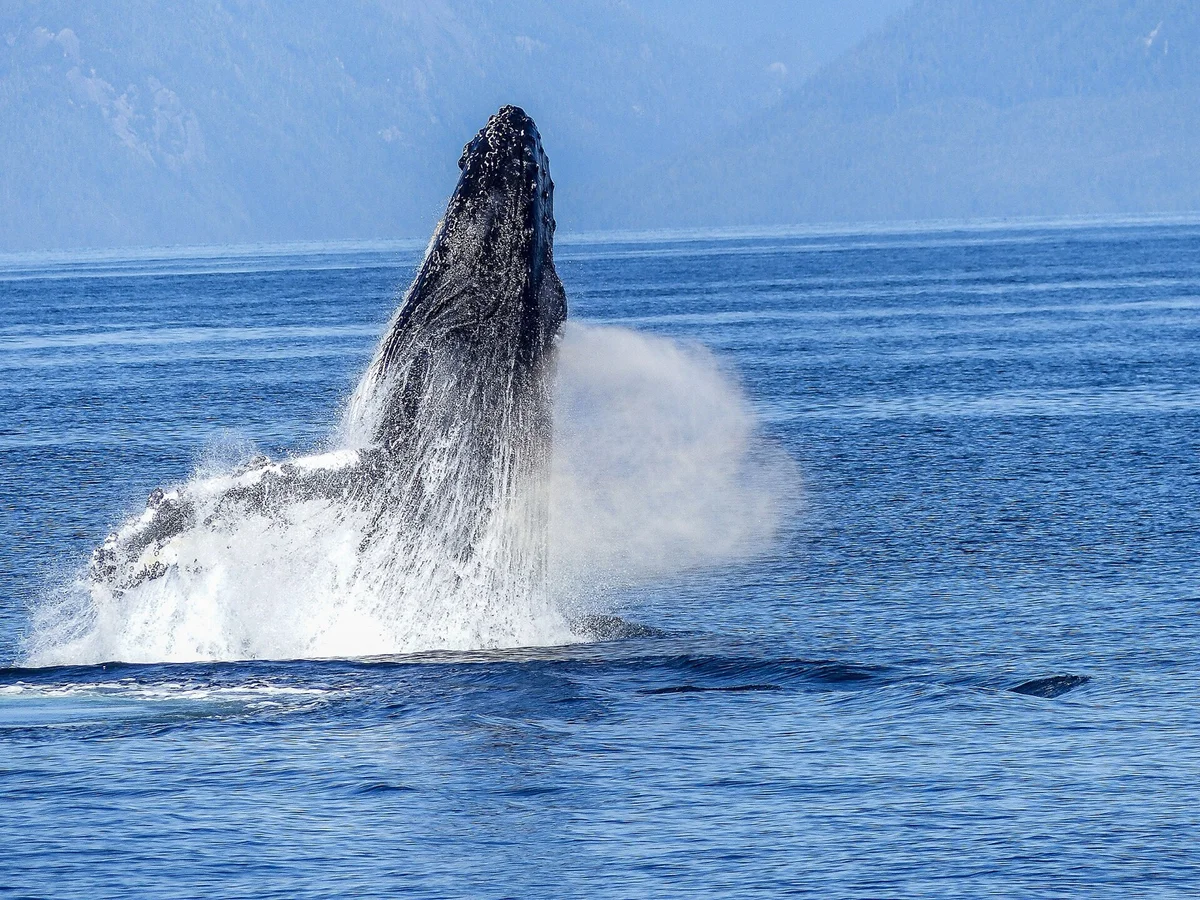
Photo: File photo of humpback whales off Perth by werner22brigitte via Wikimedia Commons (CC BY-SA 4.0).






Comments