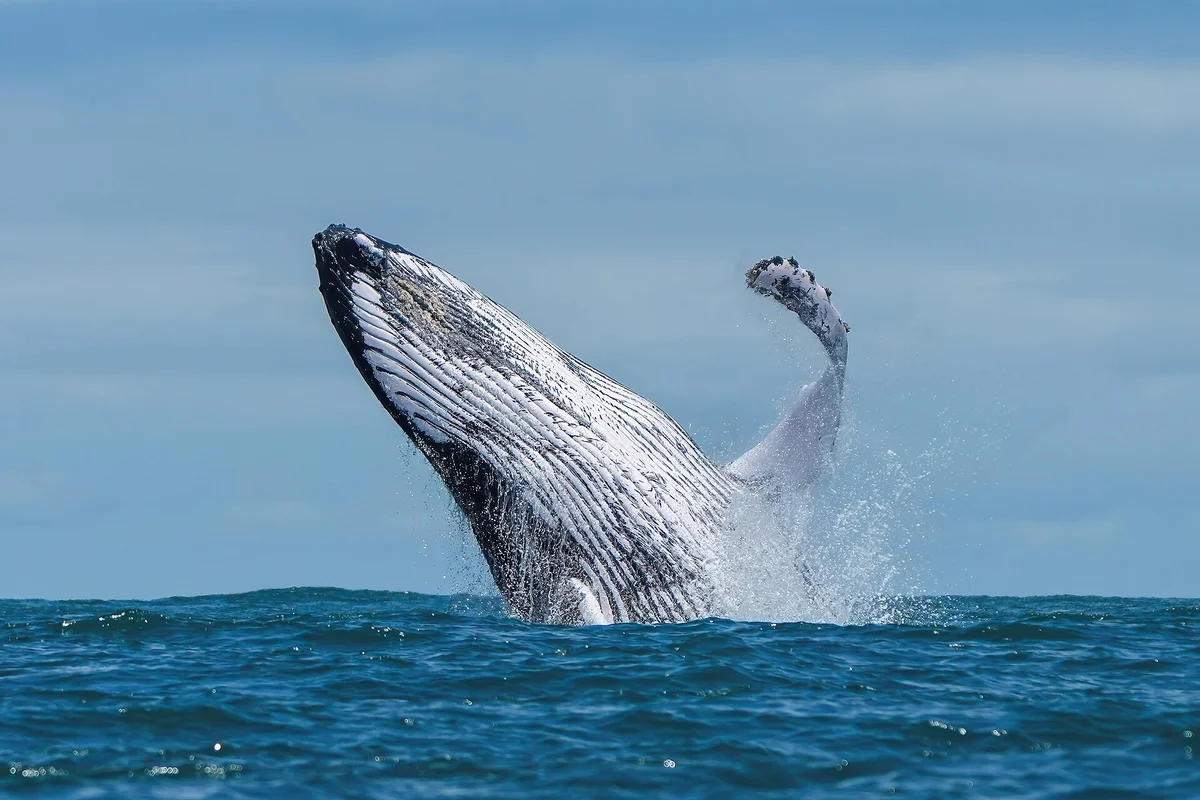

The largest humpback whale population on Earth — well over thirty thousand animals — migrates along the Western Australian coast every year, and from September the southbound leg passes Perth. Mothers with new calves hug the coast inside Rottnest, resting in the island's lee before the long haul back to Antarctic waters. For three months, one of the planet's great wildlife events happens within sight of our beaches.
From a boat
Tours run out of Fremantle and Hillarys through spring, and the strike rate late in the season is close to certain. Mornings are usually calmer; spring sea breezes build after lunch, and a gentler swell means more time watching and less time regretting breakfast. Beyond humpbacks, southern right whales appear inshore in early spring, and the lucky boats occasionally cross paths with a blue whale in the Perth Canyon further out.
For free, from land
You don't need a ticket. On a clear day with binoculars, the blows are visible from any high vantage on the coast: the dune lookouts at Trigg and Mullaloo, the WWII observation post atop Wadjemup Lighthouse hill if you're on Rottnest, and Cape Peron's platforms down at Rockingham. The tell is a puff of white that hangs a beat too long to be a breaking wave — then you'll pick the dark back beneath it.
Comments (3)
Post
Post
Loki
Loki
Ok
Ok