Red emperor, one of the most sought-after fish in the Pilbara, is in worse shape than scientists last reported. A new State Government assessment estimates the region's breeding stock is 85 per cent depleted.
The Department of Primary Industries and Regional Development (DPIRD) released the Pilbara Red Emperor 2026 Stock Assessment on Thursday 30 October 2026. It rates the species as being at severe sustainability risk. The previous assessment put depletion at 82 per cent.
The new figures only include data up to the end of 2025. That means they do not yet show any effect from the fishing restrictions that started this year.
What the assessment found
The assessment measures spawning biomass, which is the total weight of mature fish able to breed. That figure is now estimated at about 15 per cent of what an unfished population would hold.
According to the Government's statement, the new work responds to recommendations from independent scientific reviews and to feedback from industry. It also flags risks to bottlenose dolphins and critically endangered sawfish, both of which have been caught as bycatch by trawlers.
The reforms behind it
The Cook Government announced sweeping changes to demersal fishing across WA in December 2025, to rebuild depleted bottom-dwelling species. In the Pilbara, those changes included:
- a 50 per cent cut to the commercial catch
- closing the Pilbara Fish Trawl Fishery
- new recreational bag and size limits
The changes were controversial. Seafood companies Sea Harvest and Westmore Seafoods went to the Supreme Court of Western Australia to try to overturn the trawl ban, and recreational and charter fishers also objected to the new limits.
Fisheries Minister Jackie Jarvis said the new data backed the Government's decision.
"The latest stock assessment confirms why we had to act." — Jackie Jarvis, Fisheries Minister
She said that with the trawl fishery closed, about 1.8 million kilograms of at-risk demersal fish would stay in the ocean each year. She also acknowledged that the decisions had been hard on fishers, businesses and regional communities.
Pilbara MLA Kevin Michel said recovery would take time, and that the Government wanted to work with local fishers so future generations could still catch the fish.
What happens next
DPIRD will run a Pilbara demersal scalefish science workshop in November for commercial, charter and recreational fishing groups to go through the results. The science summary and the full stock assessment are on the DPIRD website.
The next assessment should be the first to show whether the 2026 restrictions are working. Red emperor grow slowly and live a long time, so DPIRD and the Government both say recovery will be measured in years, not seasons.
Why it matters to Perth
The Pilbara is a long way from the city, but plenty of Perth anglers fly or drive north every winter to fish for red emperor. The same reforms changed the rules closer to home too: dhufish and pink snapper on the west coast come under the same demersal crackdown. Many Perth fishers will be watching to see whether the coming assessments justify the restrictions or bring calls for more.
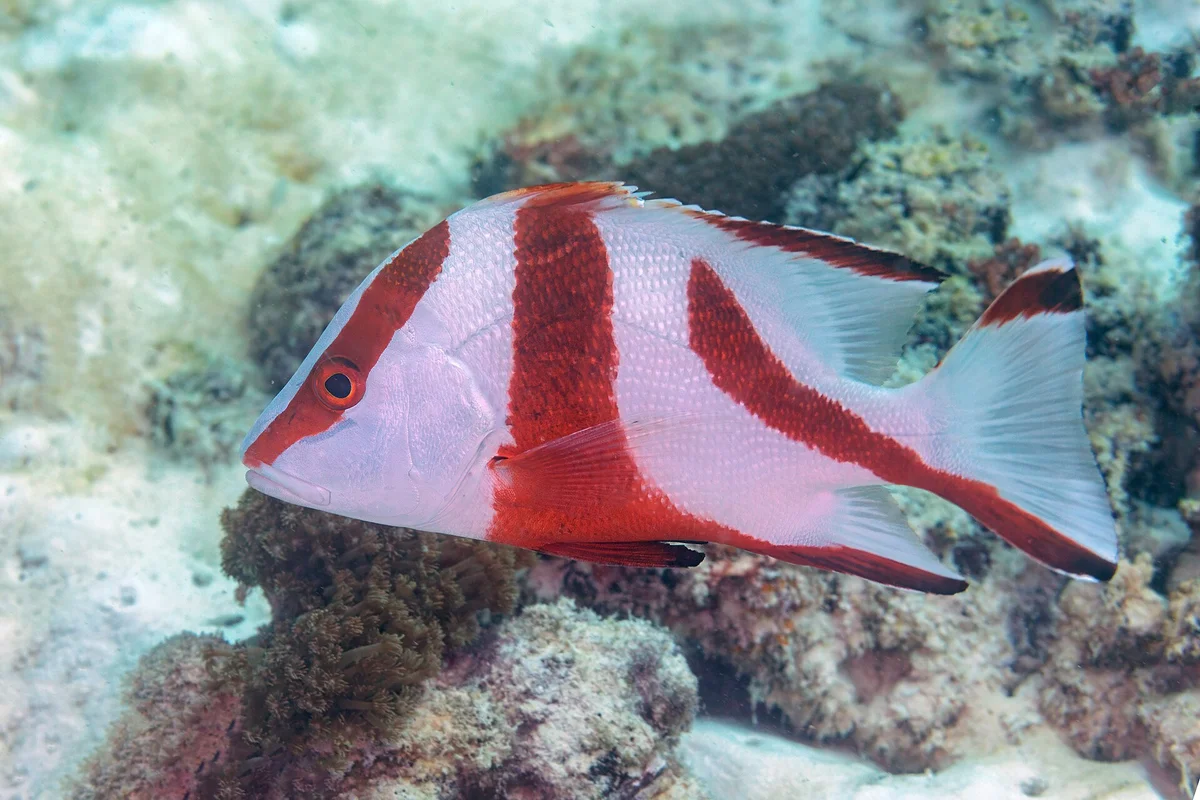
Photo: Diego Delso via Wikimedia Commons (CC BY-SA 4.0). File photo of a red emperor taken in the Seychelles, not in the Pilbara.





Comments (2)
Ok ok
Ok ok
Crap
Crap