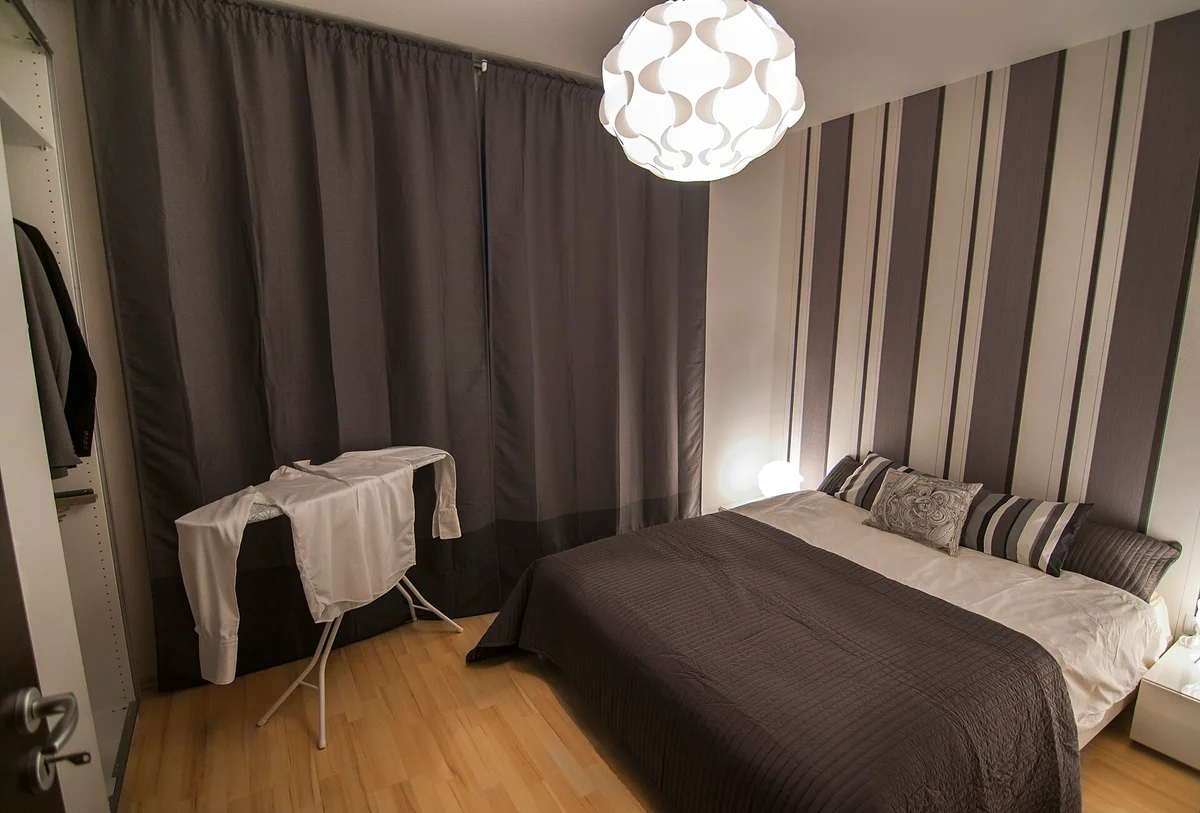

The complaint that lit up Perth this week was not about mould, or a broken air conditioner, or a rent rise. It was about a bedroom.
A tenant posted a screenshot of their routine inspection report. The walls, floor and windows were clean and undamaged — the tenant says so, and nothing in the report contradicts it. But the property manager had added a line asking that, next time, the tenant "ensure a higher standard of tidiness and organisation of your personal belonging", and had photographed the bedroom, including the bed.
"Is this even okay?" the tenant asked. "Like, where do they mention we have to organise our personal belongings?"
Nearly 200 people answered. It became the most-discussed thing on Perth's main community forum that day, which tells you something on its own: this is a nerve, not a novelty.
What the law actually says
Routine inspections in Western Australia are governed by the Residential Tenancies Act 1987. The rules on the mechanics are clear and worth knowing:
- A lessor or property manager may carry out no more than four routine inspections in any 12-month period.
- They must give written notice of between 7 and 14 days before entering, using the prescribed Form 19 (Notice of Intention to Enter Premises).
- Entry must be at a reasonable time. Turning up unannounced, or exceeding four inspections a year, cuts across the tenant's right to quiet enjoyment of the property.
The tenant's own obligations are narrower than many renters assume. A tenant must keep the premises in a reasonable state of cleanliness, must not damage the property, and must notify the lessor of damage when it happens. A tenant is not responsible for fair wear and tear — the ordinary deterioration that comes from simply living somewhere.
Note the word: cleanliness. Not tidiness. Not organisation. The property condition report itself — Form 1, the document the whole inspection regime is built around — records whether items in each room are clean, undamaged and working. That is the test the system is designed to apply, and it is a test about the condition of the landlord's property, not the arrangement of the tenant's possessions.
Where the grey area is
This is not to say a property manager can never comment on clutter. Mess and cleanliness are not perfectly separable: belongings piled against a wall can trap moisture, block access to a smoke alarm, or hide damage that should have been reported. A manager who cannot see the skirting boards cannot inspect them.
But a bare instruction to organise your belongings, attached to a room that is otherwise clean and undamaged, isn't obviously enforceable against a tenant. Nothing in the Act obliges a renter to keep a tidy bedroom. There is a difference between a property manager preferring something and a tenant being required to do it, and inspection reports often blur the two.
The photographs are their own question. Images of a rented bedroom — a bed, personal effects — are taken for the landlord's records and, in practice, circulate further than most tenants imagine. A tenant is entitled to ask what a photo is for, what it will be used for, and to have their objection recorded.
What you can do about it
If you get a report you think overreaches, you are not stuck with it.
- Respond in writing. A report is the property manager's account, not a finding of fact. Reply by email, note precisely what you disagree with, and keep the thread. Emailed disagreement that goes unanswered is useful later.
- Take your own photos, dated. Do it at the inspection if you can. Your evidence is as good as theirs.
- Check it against your Form 1. The original property condition report, completed at move-in, is the benchmark every later inspection is measured against. If the room matches it, say so.
- Ask for the specific breach. If something is being asserted as a requirement, it is fair to ask which term of the lease or which section of the Act it comes from.
- Call Consumer Protection. WA's Consumer Protection division advises tenants and landlords on exactly this kind of dispute, on 1300 30 40 54. Unresolved tenancy disputes are heard in the Magistrates Court.
Why it landed so hard
Perth's rental market has spent several years as a landlord's market — low vacancy, fast-moving listings, and applicants competing for properties rather than the other way around. In that environment, a note on an inspection report does not read as a piece of administration. It reads as a message about who is being assessed, and how easily the arrangement could end.
That is the reason a mild-sounding sentence about tidiness drew hundreds of replies. The dispute is nominally about a bedroom. It is really about the feeling that the standard being applied is not written down anywhere, and can be adjusted at will.
It is written down, as it happens. Clean, undamaged and working. That is the test.
Photo: IFERREIRO via Wikimedia Commons (CC BY-SA 3.0). File photograph; not the property described in this article.
This article is general information, not legal advice. For advice on your own tenancy, contact Consumer Protection WA on 1300 30 40 54.
Comments