A satellite has picked up large methane plumes over Chevron's Gorgon gas plant on Barrow Island, off the Pilbara coast, five times since November 2025. The detections led the United Nations to alert the company, and the WA Government's environment regulator says it is now looking into them.
The ABC reported the findings on Friday 23 October 2026. Gorgon is one of the biggest liquefied natural gas (LNG) projects in the world, and it is now listed as the largest methane emitter in Western Australia on the UN-linked monitoring website.
What the satellite saw
The plumes were recorded by Tanager-1, a satellite run by the not-for-profit Carbon Mapper. Its data feeds the UN Environment Programme's International Methane Emissions Observatory, which Australia helps fund.
Across five passes, the estimated emission rate ranged from about one tonne to about eight tonnes of methane an hour. The most recent pass, in late August 2026, put the average at about 7.8 tonnes an hour. According to the ABC, that is far above what counts as a "super emitter" event under US Environmental Protection Agency guidelines.
Methane traps much more heat than carbon dioxide over the short term. The UN says it is about 80 times more harmful as a greenhouse gas and causes about a quarter of global warming.
Louis Goddard, head of research at the British climate research firm Data Desk, told the ABC the readings around the plant were unusual and consistent, and pointed to an operational problem rather than a one-off leak. Data Desk traced the emissions to the plant's acid gas removal units, or somewhere close to them. Those units strip impurities out of the raw gas before it is processed.
Bruce Norris, who chairs the chemical engineering program at the University of Western Australia, said measurements taken closer to the plant were needed. Going on the five satellite readings, he estimated that a few thousand tonnes of methane could have escaped over a year.
What Chevron says
Chevron confirmed it had received the UN alert and said it was working with the UN Environment Programme. The company questioned how reliable the satellite figures are.
"A wide range of uncertainty" in satellite monitoring — Chevron, via a spokesperson, as reported by the ABC
Chevron said it was seeking more clarity on the data. It has not said what caused the plumes or whether they have stopped. The UN Environment Programme said it had not yet had formal feedback from Chevron or the Australian Government, and would update its public data when it did.
Who is responsible
Responsibility for the problem is not straightforward. Federal environment authorities referred questions to the State, because methane is not covered by Gorgon's federal approval. The WA Department of Water and Environmental Regulation said it was aware of the reports.
"Investigating them to understand what compliance or regulatory measures may be required." — WA Department of Water and Environmental Regulation
The ABC reported that the State Government said it was unclear what its role was in dealing with the potential leak. Matthew Roberts, executive director of the Conservation Council of WA, criticised the lack of action and said governments needed to talk to each other and work out who was responsible.
Chevron must report its emissions under the National Greenhouse and Energy Reporting Scheme, which publishes figures once a year.
Why it matters
Gorgon has been under scrutiny on emissions for years. Its carbon capture and storage system, which was meant to bury millions of tonnes of carbon dioxide under Barrow Island, has run well below target since the plant started up in 2016. Last year Chevron also reported that an unknown amount of gas had seeped to the island's surface.
For WA, which relies heavily on gas revenue and jobs, the case is an early test of how state regulators will respond as satellites make large leaks visible to the public almost in real time. The next steps are the outcome of the department's inquiry and any formal response from Chevron to the UN.
Read the ABC's original report. The story was flagged on X via the AAP news feed.
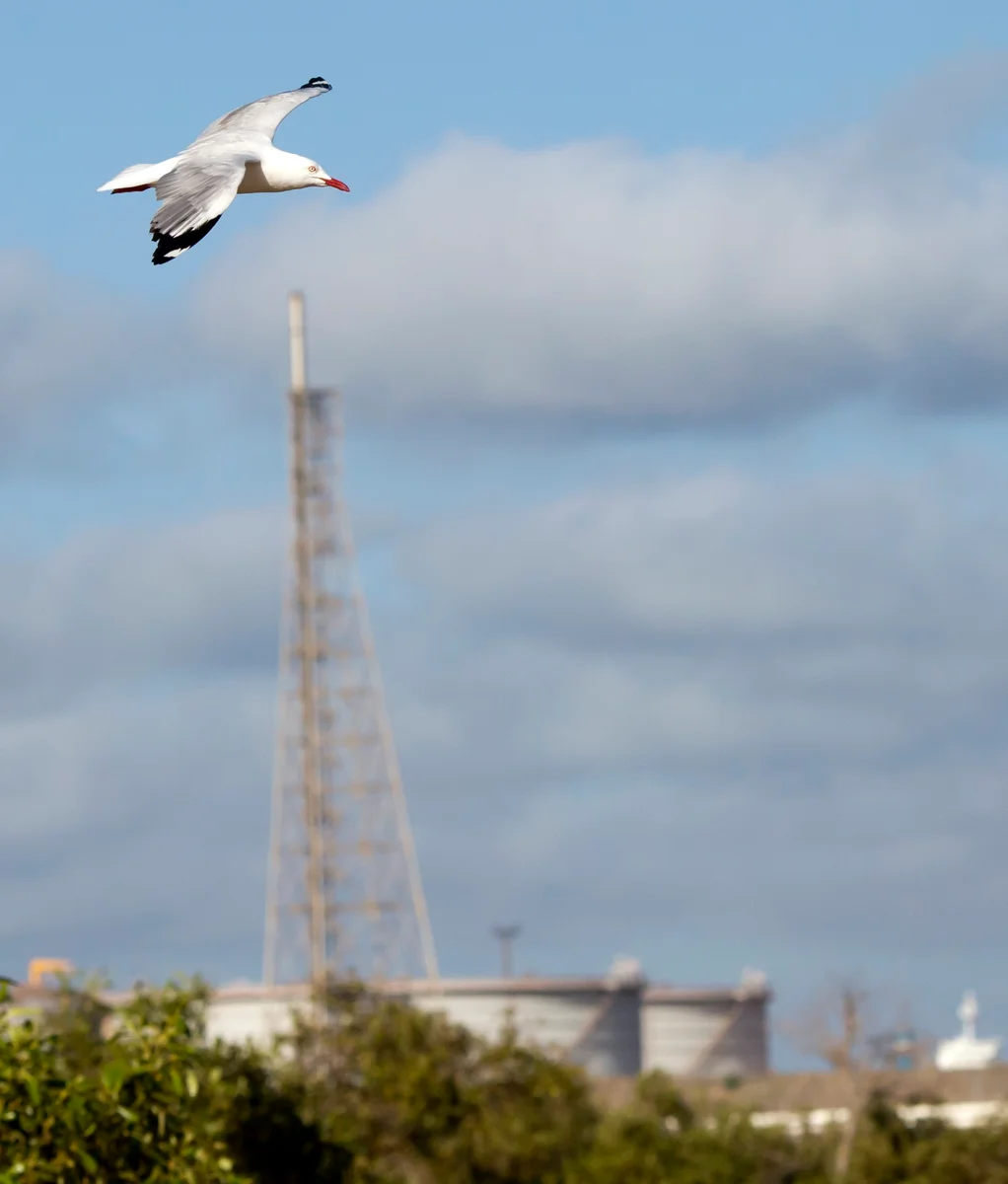
Photo: Jim Bendon via Wikimedia Commons (CC BY-SA 2.0). File photo of Woodside's gas plant at Karratha, not the Gorgon plant.




Comments