Western Australian councils now have the power to make and enforce their own cat containment laws, after the State Government's changes to the Cat Act passed Parliament.
The Government announced on Thursday 26 November 2026 that the Cat Amendment (Local Laws) Bill 2026 had passed. It amends the Cat Act 2011 so that local governments can bring in containment rules that, in the Government's words, reflect community needs and expectations.
For cat owners, nothing changes straight away. The new law does not itself order any cat indoors. It lets each council decide whether to write a local law, and what that law should say.
What councils can now do
According to the Government's statement, cat local laws could include:
- restricting cats to their owners' premises
- prohibiting cats from all public areas
- introducing cat curfews.
The usual process for making a local law still applies, and that includes consulting the community before a council makes one.
A working group that includes local government and animal welfare representatives has been set up to help prepare a template cat local law, which is meant to give councils that choose to act a consistent framework. It will also inform guidance for owners on what the changes mean, including how to move a cat to indoor living or keep it on the property.
The statement did not say when the changes take effect.
"People's much loved pet cats can, unfortunately have significant impacts on our incredible and important native wildlife if they're allowed to roam." — Hannah Beazley, Local Government Minister
Why councils could not do this before
Until now, a council that wanted to limit where cats could go needed its local law to get past a State parliamentary committee, the Joint Standing Committee on Delegated Legislation. The ABC reported in February, when Ms Beazley announced the plan, that more than 20 local governments had tried to bring in cat controls and few had succeeded. Only Northam, Narrogin and Christmas Island had containment laws in place.
The City of Bayswater was among those knocked back. In 2025 it tried to stop cats wandering onto other people's properties or roaming unrestrained in public, and the committee rejected the law. The upper house upheld that decision.
Councils could already ban cats from specific public places, deal with nuisance behaviour and enforce sterilisation, microchipping and registration, the ABC reported.
Which councils are likely to move first
Several councils were preparing before the Bill passed. The ABC reported in October that the City of Canning had begun consulting ratepayers through an online survey.
"It does seem to be a popular opinion that there is a desire for some sort of curfew." — Mark Bain, City of Canning Deputy Mayor, speaking to the ABC
In the same report, Bayswater Mayor Filomena Piffaretti said her community had shown it wanted further controls, the City of Vincent had flagged restrictions, and Fremantle Mayor Ben Lawver said the city would review its laws next year.
In the Wheatbelt, Shire of Pingelly chief executive Andrew Dover told the ABC the shire had a draft local law ready for consultation and wanted full containment, not a curfew. He said the shire would start with education for owners before impounding cats and fining repeat offenders.
Support and opposition
The ABC reported the Bill passed the lower house in September with Opposition support. The WA Feral Cat Working Group, which had pushed for the change, welcomed the result on X on Thursday, calling it "a green light for cat containment in Western Australia".
Not everyone agrees. Animal Justice Party MLC Amanda Dorn has described mandatory cat containment as "unfair" and "unworkable", and said it could increase the risk of cats being abandoned, according to the ABC's October report.
The case for containment rests on wildlife. A 2023 study by the Biodiversity Council, cited by the ABC, found roaming pet cats killed 323 million native mammals, birds and reptiles in Australia each year.
What happens next
Attention now shifts to town halls. Any council that wants containment rules has to draft a local law and consult its residents, so the rules, and any penalties, are likely to differ from one council area to the next. Ms Beazley told the ABC in February that a council could, for example, allow cats in public places as long as they were under effective control, such as in a carrier or on a lead.
Cat owners who want a say should watch for consultation from their own council.
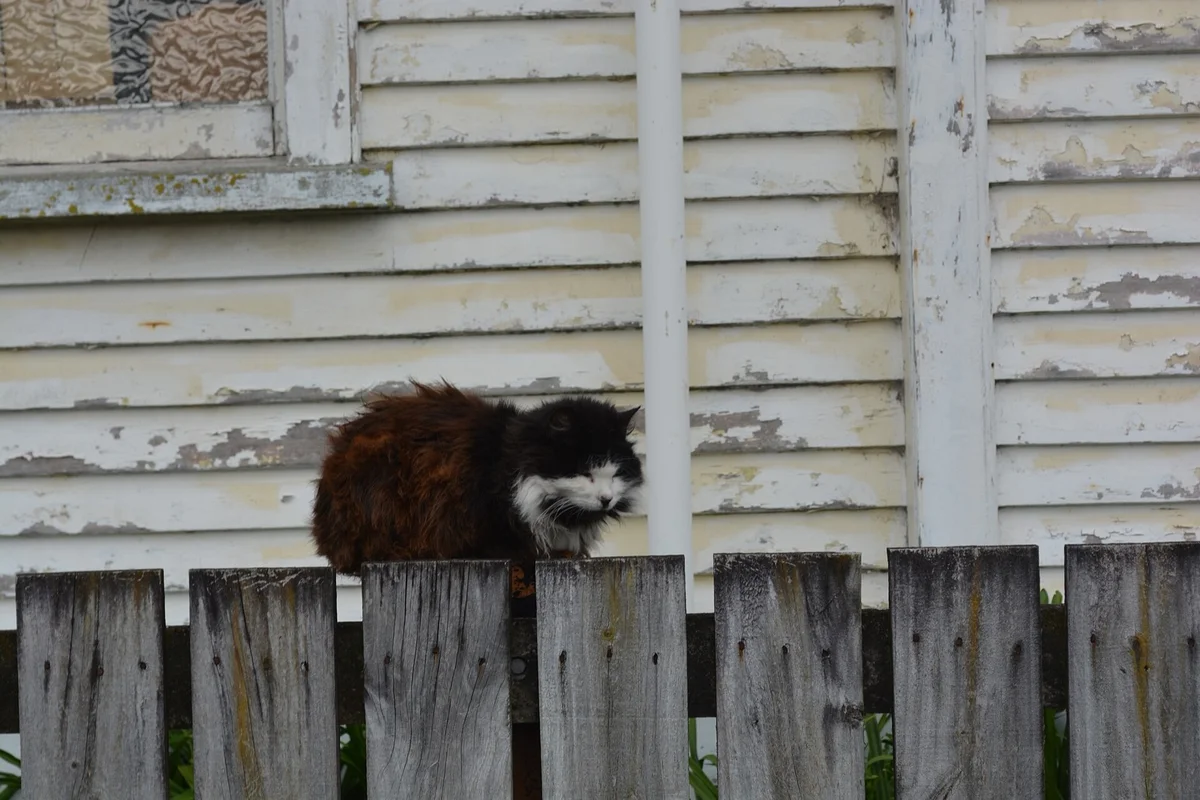
Photo: GPS 56 via Wikimedia Commons (CC BY 2.0). File photo of a cat on a fence, not taken in Western Australia.




Comments