Western Australia will become the first state or territory in the country to legalise plug-in solar panels and batteries, a change aimed squarely at the renters and apartment dwellers who have so far missed out on the rooftop solar boom.
The State Government announced on Wednesday, 28 October 2026, that it would start consulting on a safety standard for the systems, which are widely known as "balcony solar". They come in a box, plug into an ordinary power point and need no electrician to install. Under current rules they are not allowed to be connected in Australia.
The government estimates a typical plug-in solar system could take about $240 a year off a household's power bill, and about $500 a year if it is paired with a plug-in battery.
"For too long, the benefits of cheap solar have been out of reach for anyone who doesn't own their roof." — Amber-Jade Sanderson, Energy and Decarbonisation Minister
How balcony solar works
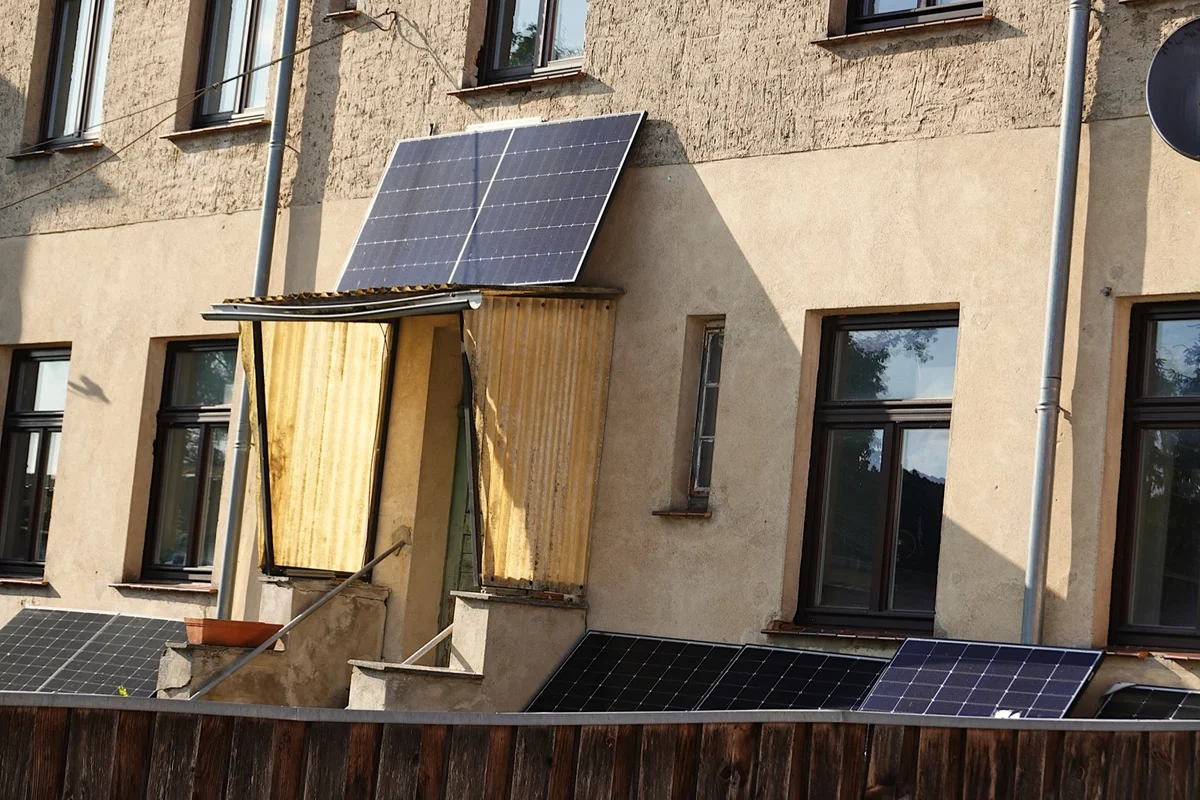
A plug-in system is a small set of panels with a built-in inverter that feeds power into the home through a standard plug. The electricity it makes is used by whatever appliances are running in the house at the time, which reduces how much power the household buys from the grid.
Overseas the panels are usually hung off apartment balconies or set up in backyards. The ABC reports that systems typically cost up to about $1,300, plus extra for a battery. Germany is the world leader: about one in ten households there has one. The United Kingdom legalised the systems earlier this year and New Zealand is looking to follow within 12 months.
The big selling point for renters is that the system belongs to them, not the property. When they move, it comes with them.
"When you move house, you take it with you." — Dr Tony Buti, Commerce Minister
What happens now
The systems are not legal yet. The Department of Energy and Economic Diversification and the Building and Energy division of the Department of Local Government, Industry Regulation and Safety are now consulting on the legal pathway and on a new technical standard. The key question is safety, including how to stop the devices overloading household circuits, and whether they suit Australian conditions.
Mr Buti said the government wanted to hear from industry, electrical safety experts and the community before the rules were finalised. The department will also look at what other changes are needed so renters can actually use the systems once they are available. The government has not yet given a date for when they will be legal to install.
The ABC notes that landlords and strata bodies will also need to come on board before panels can go up on balconies and in shared spaces, which may prove the harder part for apartment residents.
Why it matters for Perth
WA is already one of the world's most solar-heavy places. More than 40 per cent of homes on the South West Interconnected System, the main grid that covers Perth, have rooftop panels, and more than 35,000 homes have installed batteries under the WA Residential Battery Scheme. Almost all of those homes are owner-occupied houses.
That leaves out a large share of Perth: renters, who have no reason to pay for panels on a landlord's roof, and people living in apartments, who have no roof of their own. With rents still high and power bills a constant cost-of-living complaint, a device that pays for itself in a few years and moves house with its owner could be a real win for them.
Not everyone is as bullish on the savings as the government. The ABC reports industry experts put the payback period at between four and ten years. The lobby group Solar Citizens has estimated savings of $300 to $400 a year from a panel, and about double that with a battery.
Solar Citizens chief executive Heidi Lee Douglas welcomed the move and said WA had started a "race to the top". The group wants the federal government to make plug-in solar available nationally by July 2027. Energy ministers agreed in September to look at how the technology could be rolled out safely across the country, but WA is the first to act.
The announcement comes as the government also set out new renewable energy targets, aiming for 75 per cent renewable energy by 2031.
Sources: WA Government media statement (via Mirage News), ABC News, The West Australian, WAtoday. Lead via X.
Photo: Balcony solar panels in Wesenberg, Germany. RobbieIanMorrison via Wikimedia Commons (CC BY 4.0). File photo, not a WA installation.


Comments (1)
Good news tbh.
Good news tbh.