Thousands of Western Australian Year 12 students who sat the ATAR chemistry exam this week were given a chemical formula that could not be right. The formula sat at the heart of a question worth seven marks.
The School Curriculum and Standards Authority (SCSA) sets and marks the exams. It has confirmed a "typographical error" in question 31 of the paper's short-answer section, The West Australian reported on Friday.
What went wrong
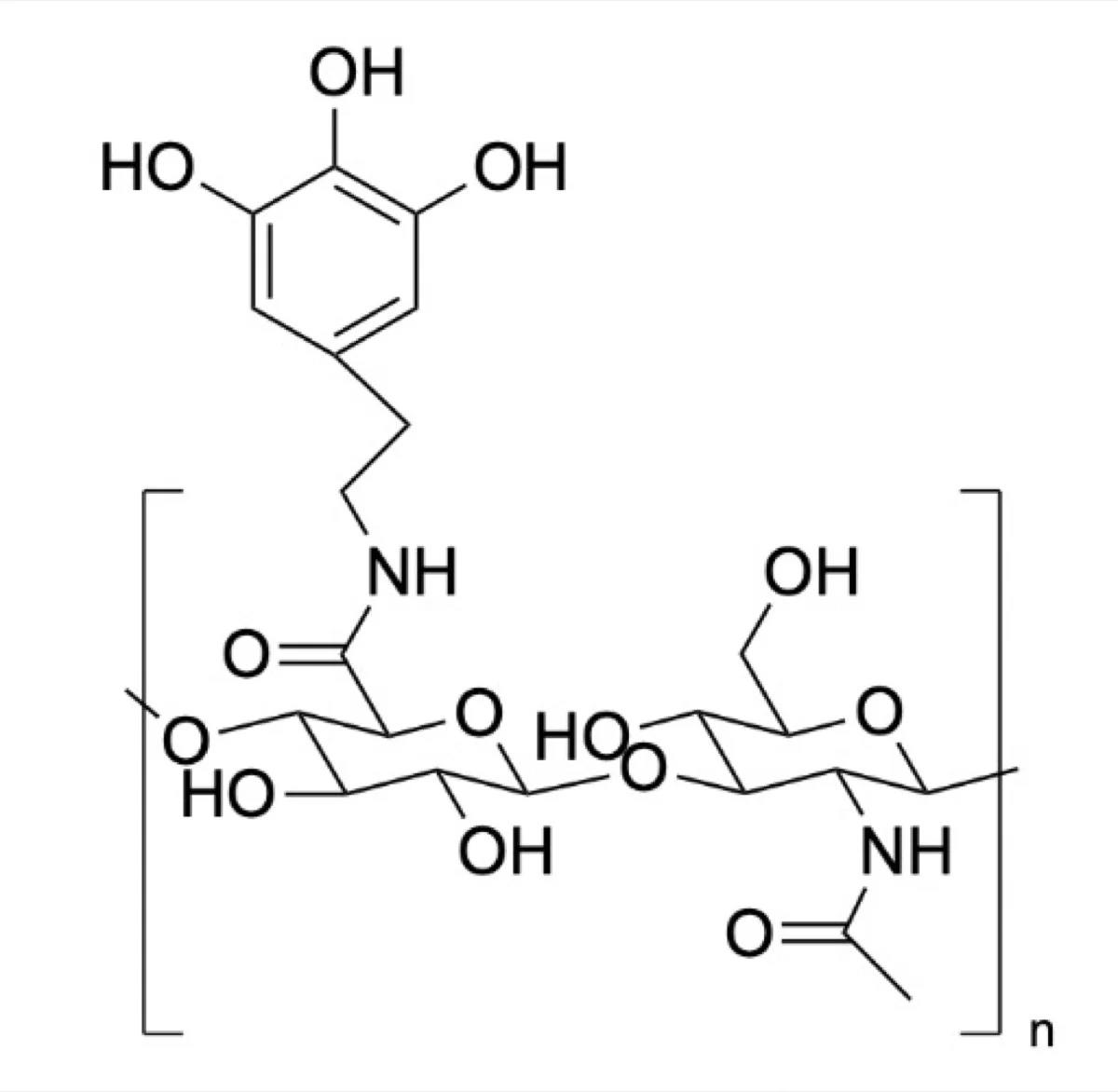
The question was about hyaluronic acid, the moisture-holding molecule found in many skincare serums. Students needed its formula to do a calculation.
In each repeating unit of hyaluronic acid there are 14 carbon, 21 hydrogen, one nitrogen and 11 oxygen atoms, written C14H21NO11. The exam paper appears to have swapped the oxygen and nitrogen counts. The printed formula had 11 nitrogen atoms and no oxygen at all.
Chemistry students learn early that an organic acid must contain oxygen, so a formula without any would stand out straight away. Geoff Quinton, who writes high school chemistry textbooks, told The West the mistake was obvious and would matter.
"It will affect the students' ability to answer the question as the formula is required for the calculation." — Geoff Quinton, chemistry textbook author
He also said students who spotted the error could have been rattled by it, partway through one of the most important exams of their school lives.
What SCSA says
SCSA says students could still complete the calculation with the formula they were given and show they understood the chemistry. A spokesperson said markers would accept "a range of student responses". They also said the authority has processes in place to make sure no student is disadvantaged.
After every ATAR exam, examiners and markers look at a sample of real papers before marking is locked in, and they can change the marking key if a question has not worked as intended. Marking of the chemistry paper is already underway.
A hard paper, and not the first slip
On social media, some Year 12s also said this year's paper was one of the toughest in recent memory. Their main complaint was that the empirical formula question did not come in the format they had practised.
Mistakes have got through before. In 2023, a multiple-choice question on the WA chemistry exam spelt crustaceans as "crustations", which students and teachers noticed at the time.
Each paper is written by a panel of experienced teachers and subject specialists and is checked several times before it is printed. Even so, a formula with no oxygen in it made it onto this year's paper.
What happens now
The written ATAR exams started on Wednesday 28 October and finish on 18 November, so most students are only a few papers in. Results and ATARs are released in late December.
Students or parents worried about question 31 do not need to apply for anything. Under SCSA's statement, any adjustment will be made during marking. Students who feel they were disadvantaged during an exam in other ways, for example by illness, can speak to their school about SCSA's sickness and misadventure process.
For the families of more than 10,000 ATAR students across WA, the main message from SCSA is that the misprint should not cost anyone marks.
Photo: K.southwick via Wikimedia Commons (CC0). This is a file diagram of a modified form of hyaluronic acid, not the exam question.

Comments