Western Australians will no longer be told when the state's parole board lets a prisoner out early. The Prisoners Review Board has stopped publishing its decisions, and the change covers every decision made since 1 July 2026.
The move was made with little fanfare. A short notice on the board's decisions page, last updated on 14 October 2026, says the board will "no longer publish its decisions" at the direction of its chairperson. It was first reported on Tuesday by The West Australian, whose post about the story drew a wave of angry replies on X.
What has changed
Until now the board kept a public list of some prisoners who had been granted parole or had their parole cancelled, along with its reasons. Journalists used that list to follow the cases of the state's most serious offenders, and it was how several high-profile releases came to public attention.
That list now stops at 30 June. The board says it will keep making decisions under the Sentence Administration Act 2003 as before. It just won't tell the public what they are.
Victims of crime are not affected, as long as they have signed up. The notice tells victims to contact the Victim Notification Register, which keeps registered victims informed of parole decisions. A victim who is not on the register will not be told.
Why the board did it
The board is chaired by Supreme Court Justice Jeremy Curthoys. According to The West Australian, the board pointed to two laws. One is the confidentiality section of the Sentence Administration Act. The other is the state's new privacy law, the Privacy and Responsible Information Sharing Act 2024, which came into force on 1 July, the same date the change was backdated to.
The board told the newspaper it believed the public interest in protecting personal information outweighed the public interest in the free flow of information about parole. It also cast doubt on whether publishing decisions does any good.
"It is difficult to see that there is any general deterrent benefit in publishing these decisions." — Prisoners Review Board spokesperson, via The West Australian
The board also told the newspaper that publishing the decisions would not be unlawful. It is a choice, not a legal requirement. Prisoners still get copies of their own decisions.
Why it matters
Parole is one of the most sensitive decisions the justice system makes. It decides when people convicted of murder, rape and other serious crimes return to the community, and under what conditions. Publishing those decisions let the public and the media see how the board weighs community safety against rehabilitation, and question it when a release looked wrong.
Without the list, the only people who will know about a release are the prisoner, the authorities and registered victims. Neighbours, local communities and anyone who was harmed but never registered will have no way of finding out. Neither will reporters.
The decision is likely to be raised in State Parliament, where law and order is already a running fight between the Cook Government and the Opposition. The Attorney-General has not yet commented publicly on the change.
What happens next
Because the board says publication is still lawful, the chairperson can reverse the direction at any time. The board's statement said its view applied "at this time", which leaves the door open. Anyone who has been harmed by an offender and wants to know about parole decisions should register with the Victim Notification Register through the board's website.
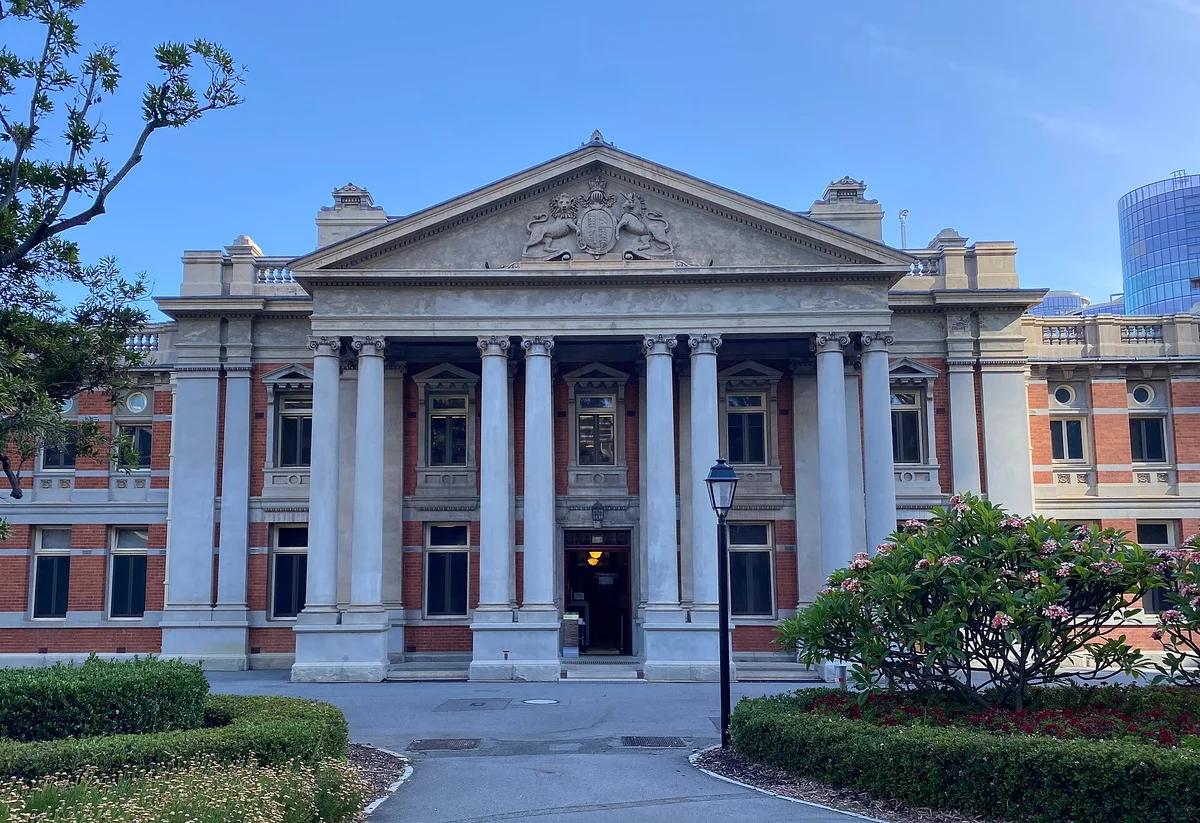
Photo: the Supreme Court of Western Australia in Perth (file photo), by -wuppertaler via Wikimedia Commons (CC BY 4.0).





Comments