Teachers moving to Perth from the east coast are sometimes surprised by what casual relief work pays here. A high school relief teacher relocating from NSW said this week they were "a bit shocked" to find a graduate-level day in a WA public school pays about $337, compared with the roughly $480 a day they earn on the lowest band in NSW.
So is WA really that far behind? It depends on your experience, which sector you work in, and how many days you can actually get.
How WA public schools pay relief teachers
Unlike NSW, which pays casual teachers a flat daily rate, WA public schools pay relief teachers by the hour. The rate is the hourly equivalent of a full-time teacher's salary at your level, plus a 20 per cent casual loading in place of leave.
According to a 2026 guide from TeachingJobs, that works out at about $52.67 an hour for a graduate on Level 2.1, or roughly $337 for a 6.4-hour day. At the top of the classroom scale, Level 2.9, it is about $71.92 an hour, or around $460 a day. Senior teachers can earn close to $488 a day.
Your level depends on how long you have taught. A graduate starts at 2.1 and moves up one step for each year of full-time service. When you register with the Teacher Registration Board of WA and join the Department of Education's relief pool, your prior experience from NSW or elsewhere is assessed to set your starting step.
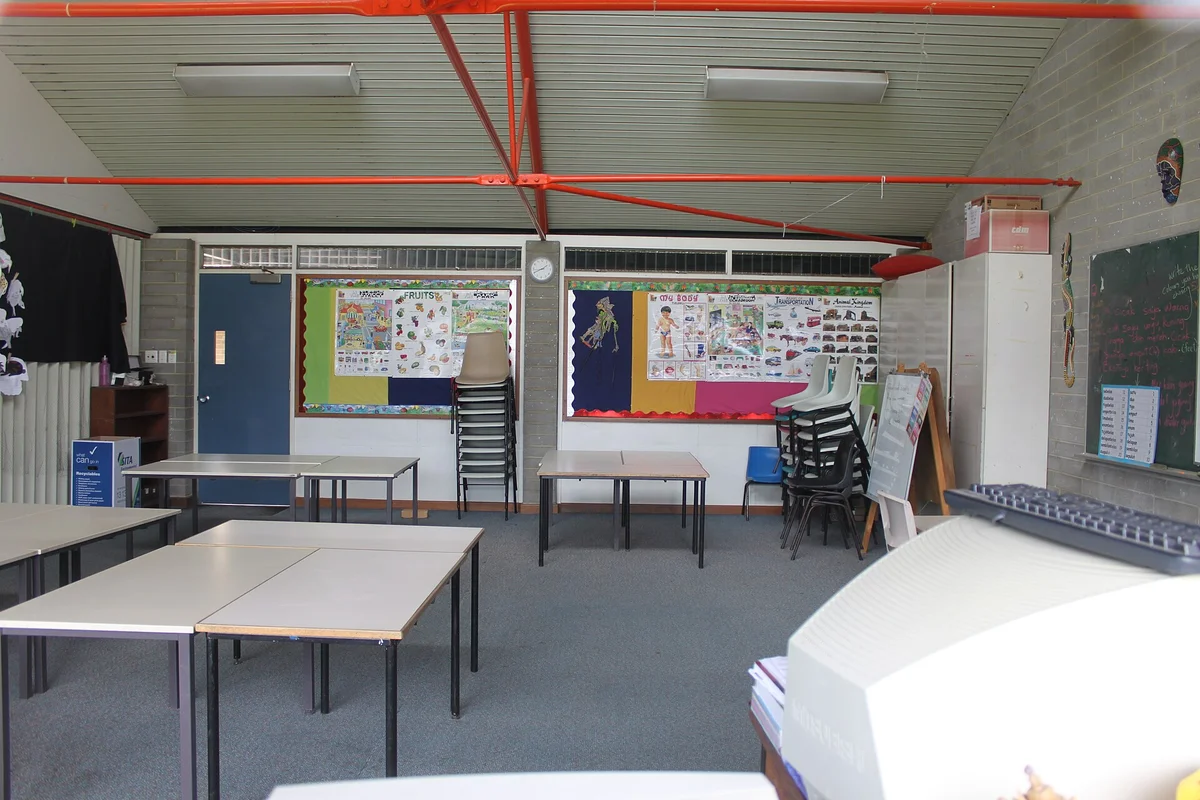
Photo: Jim Owens via Wikimedia Commons (CC BY 3.0). File photo of a classroom at Beaconsfield Primary School.
Catholic and independent schools
Catholic Education WA pays relief teachers a flat daily rate. The same TeachingJobs guide puts it at $602.71 for a full day and $301.36 for a half day from January 2026, though rates should be checked against CEWA's current salary schedules.
Independent schools set their own agreements, many of which broadly follow the public scale with a casual loading. Rates vary from school to school.
Getting enough days is the other catch
Pay per day is only half the story. A Perth teacher with relief experience warned that work is not easy to find five days a week everywhere. Many schools keep their own pool of regular relief staff, and some employ contracted relief teachers, so newcomers can find themselves at the bottom of the call-up list.
"Relief is also basically impossible to get in Term 4." - Perth teacher
That's because once senior school students finish for the year, their teachers are free to cover other classes. Term 4 in WA public schools runs until mid-December.
Regional and remote schools are a different story, with shortages in many areas. The Department of Education runs a Teacher Flying Squad for short-term placements in country schools, and regional allowances can add to daily pay.
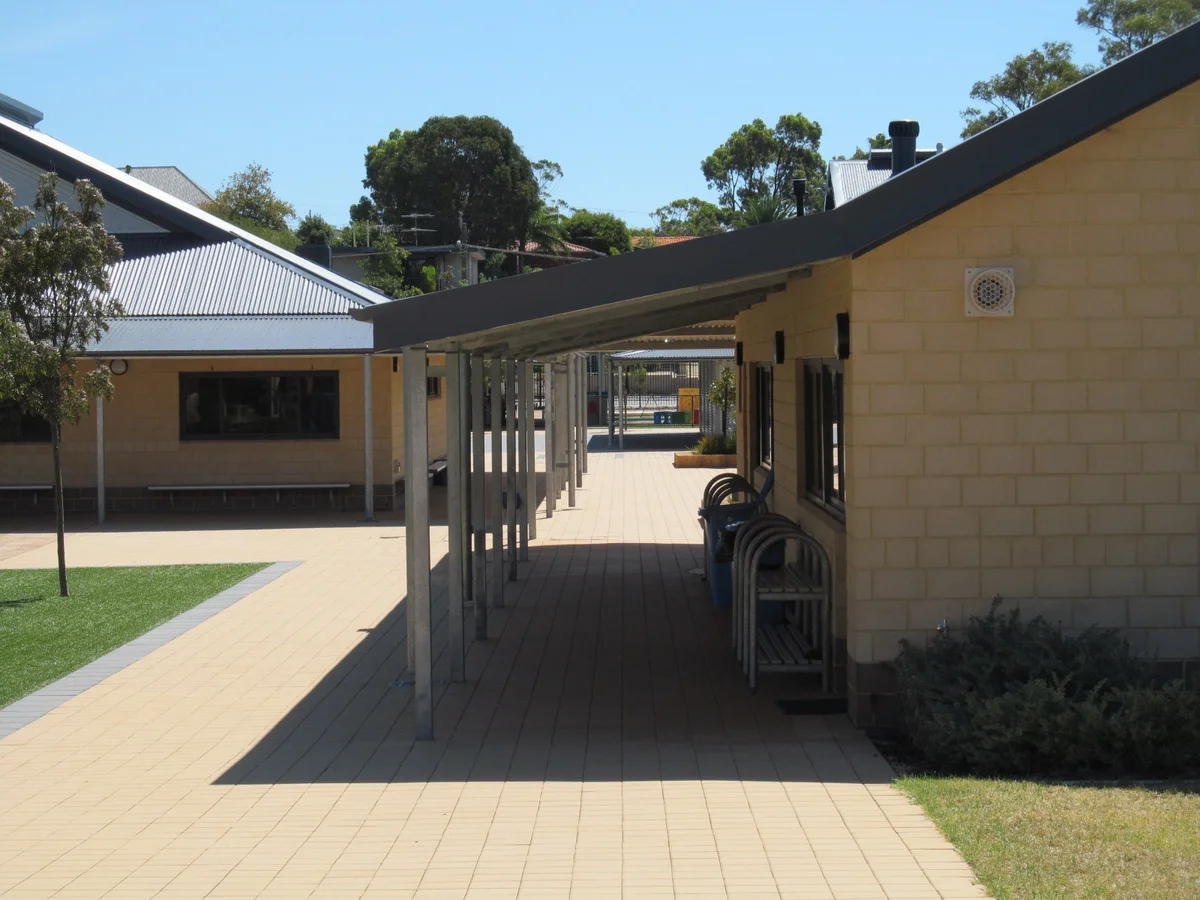
Photo: Orderinchaos via Wikimedia Commons (CC BY-SA 3.0). File photo of Deanmore Primary School.
Before you move
Check the current pay schedules in the Department of Education's agreements, or contact the State School Teachers' Union of WA. The Fair Work Ombudsman can confirm award minimums for private schools. Get your WA registration sorted early, as you can't take relief work without it.
Sources: TeachingJobs; Teacher Registration Board of WA; WA Department of Education; comments from Perth teachers and locals.
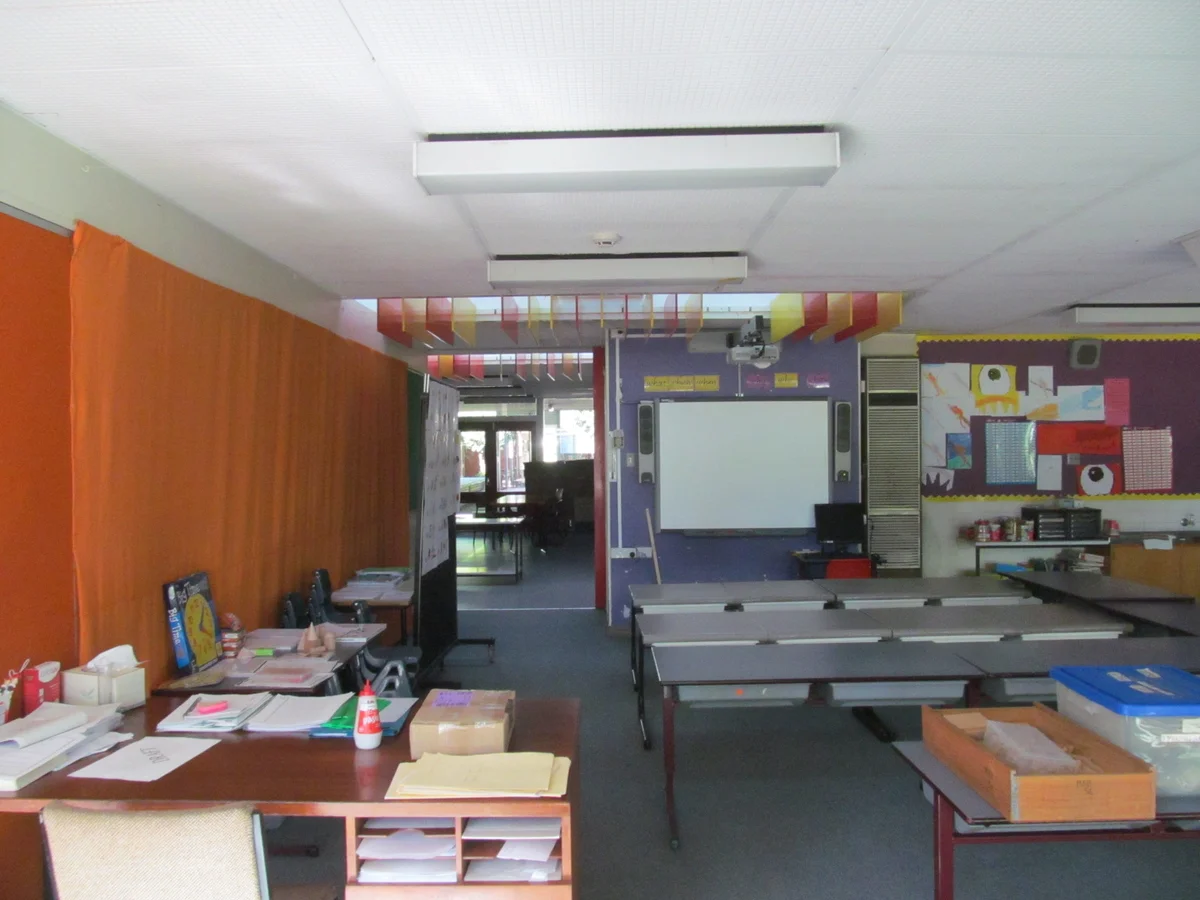
Hero photo: Orderinchaos via Wikimedia Commons (CC BY-SA 3.0). File photo of a classroom at Glendale Primary School.





Comments